

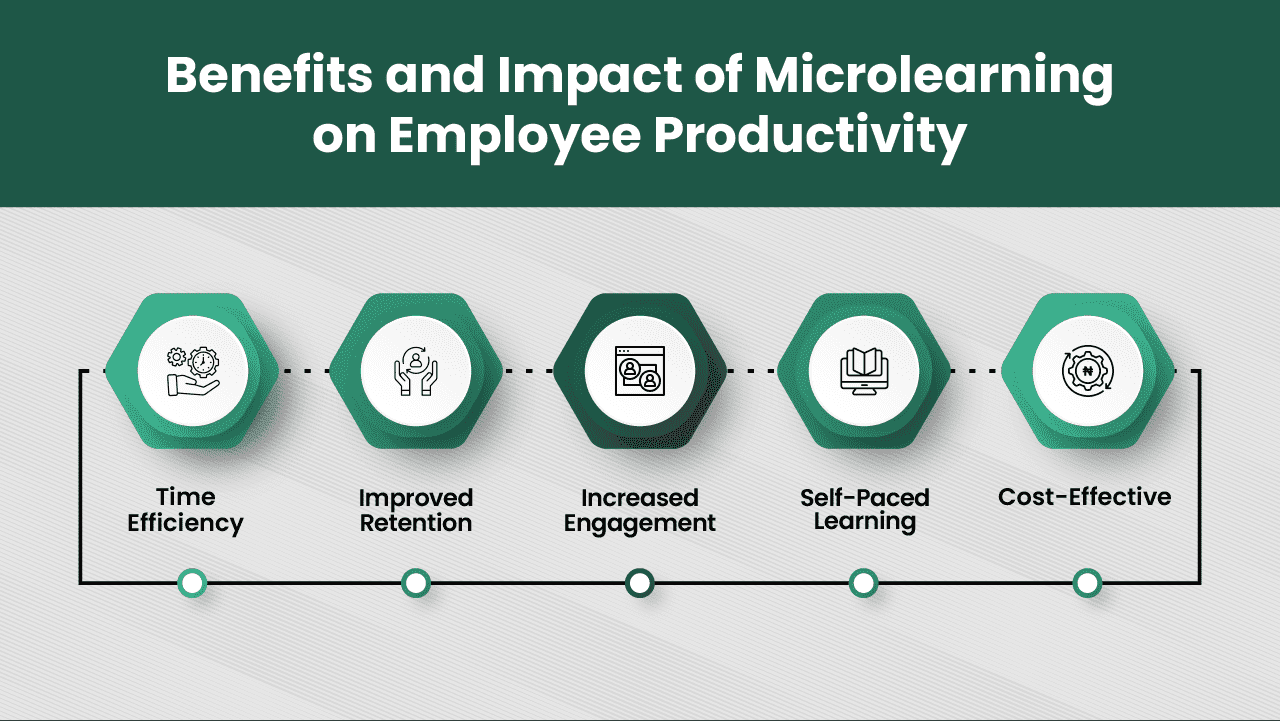
Let’s be honest. The old way of corporate training—the day-long seminars, the hundred-slide decks, the binders that gather dust—is broken. It just doesn’t fit the rhythm of modern work. Employees are overwhelmed, attention spans are fragmented, and skills are becoming obsolete at a dizzying pace.
Here’s the deal: the answer isn’t to train harder. It’s to train smarter, smaller, and more continuously. That’s where a micro-learning culture comes in. But it’s more than just swapping a lecture for a two-minute video. It’s about designing an ecosystem and, crucially, knowing how to measure if it’s actually working.
What a Micro-Learning Culture Actually Feels Like
Think of it not as a program, but as a habit. A shift in the organizational atmosphere. Imagine an environment where learning is as natural as checking email. A five-minute podcast on empathetic leadership during a commute. A quick, interactive simulation on a new software feature before a task. A shared infographic that breaks down a complex regulatory change.
It’s learning woven into the fabric of the workday, not a disruptive event outside of it. The goal? To create a state of constant, low-friction skill development. It’s about moving from “I have to go to training” to “I just learned something that helps me right now.”
Designing the Ecosystem: It’s About Flow, Not Force
You can’t mandate a culture. You have to design for it. This means focusing on access, relevance, and integration. Honestly, if it’s not easy and immediately useful, it won’t stick.
1. Centralize Access with a “Learning Hub”
Scattered resources are a killer. Create a single, intuitive portal—a Slack channel, a Teams tab, an intranet page—where micro-content lives. This hub should be a mix of curated external resources (like TED talks or industry articles) and internally created nuggets (like a senior engineer’s screen recording solving a common problem). The key is organization: tag everything by skill, department, and difficulty.
2. Empower Internal Experts (The “Nano-Creators”)
Your best teachers are already on payroll. Encourage subject matter experts to create micro-content. This doesn’t mean a polished production. A Loom video, a quick Canva graphic, a brief document—it’s all gold. Give them simple templates and recognize their contribution. This peer-to-peer element builds authenticity and trust, you know?
3. Integrate into Existing Workflows
This is the big one. Link micro-lessons directly to tasks. In your project management tool, link a short guide on effective sprint retrospectives right in the sprint-end template. In the CRM, embed a two-minute role-play on handling objections next to the call script. Make learning a natural step in the process of doing.
The Tricky Part: Measuring Real Impact
Sure, you can track clicks and completion rates. But so what? A completed video doesn’t mean improved performance. Measuring a micro-learning culture requires looking at behavioral and business metrics—it’s about connecting those tiny learning moments to tangible outcomes.
Let’s break it down into a practical framework.
| Measurement Level | What to Track | Tools & Methods |
| Engagement & Reach | Content consumption, repeat usage, platform logins. | LMS analytics, platform dashboards, survey check-ins. |
| Knowledge & Confidence | Self-reported confidence, quick knowledge checks (1-2 questions). | Embedded micro-quizzes, pulse surveys, pre/post self-assessments. |
| Behavior Change | Application of skills in work products, peer feedback. | Manager observations, work output analysis, 360-degree feedback. |
| Business Results | Error rates, project cycle time, customer satisfaction, innovation metrics. | Performance data (CRM, support tickets), quality audits, innovation pipelines. |
Look, the magic happens between levels 2 and 3. That’s where learning turns into doing. To measure that, you need to get creative.
Creative Metrics for a Human-Centric Culture
Forget just the numbers for a second. Listen for the stories. These qualitative signals are often the most powerful proof of impact.
- The “I Used It” Story: Actively collect anecdotes. “I watched the negotiation tip and tried it in my vendor call this morning—it worked!” That’s a gold-star metric.
- Search & Demand: Are employees searching the learning hub for specific skills? What are they asking for? This shows proactive, need-based learning.
- Community Contribution: Track the growth of your “nano-creators.” More internal content suggests a culture of sharing, not just consuming.
- Reduction in “How-To” Questions: Are there fewer basic procedural questions in team chats? That could indicate micro-learning is providing just-in-time answers.
The Inevitable Hurdles (And How to Clear Them)
It won’t be seamless. You’ll face the “no time” objection. Counter by saving time—show how a three-minute tutorial prevents a thirty-minute mistake. Some will dismiss it as “too basic.” That’s fine. Curate advanced content paths for them. The culture grows by serving different needs.
The biggest hurdle, in fact, is often leadership. If leaders aren’t visibly engaging with and endorsing micro-learning—by sharing a podcast they found useful, or creating a quick tip themselves—the initiative feels like corporate mandate, not a cultural shift.
A Living, Breathing System
Ultimately, a micro-learning culture isn’t a project with an end date. It’s a living system. It requires tending: pruning content that’s outdated, nurturing new topics as they emerge, and constantly checking the soil—the employee experience—to see if things are actually taking root.
The impact isn’t just in a rising skill graph. It’s in the quiet confidence of a team that feels equipped to handle change. It’s in the agility of an organization that learns and adapts in real-time, one small, intentional lesson at a time. That’s the real measure of success—not just what people know, but how seamlessly they can learn, apply, and evolve.