

Let’s be real for a second. If you’re a micro-influencer — say, 1,000 to 50,000 followers — you’ve probably felt the pressure to be everything to everyone. Post about fashion one day, then a random travel shot, then a meme. It’s exhausting. And honestly? It doesn’t work. The loudest advice out there? “Go niche.” But that’s too vague. What you really need is niche branding. Not just picking a topic — but building a whole vibe around it. A world people want to step into. Let’s unpack that.
What the heck is niche branding, anyway?
Well, think of it like this. If your content is a coffee shop, niche branding is the smell of fresh roast, the mismatched vintage chairs, the playlist that makes you want to stay. It’s not just “we sell coffee.” It’s the feeling. For micro-influencers, niche branding means carving out a specific corner of the internet where your voice, your aesthetic, and your expertise feel unmistakable. It’s less about what you post and more about how you make people feel when they see your name.
Sure, you could be a “lifestyle” influencer. But so are 10 million others. Niche branding is about narrowing down — maybe you’re a sustainable fashion enthusiast who only thrifts in small towns. Or a plant parent who focuses on low-light apartment jungles. That specificity? That’s your brand.
Why micro-influencers need this more than macro ones
Here’s the deal. Macro-influencers have reach. They can afford to be broad because millions follow them. But you? You have trust. Your audience is smaller, but they actually care. Niche branding amplifies that trust. It signals: “I’m not here to sell you everything — I’m here to help you with this one thing really well.” Brands love that. They pay for that. And your followers? They’ll stick around because you’re not noise — you’re a signal.
Finding your niche without losing your soul
Okay, so how do you actually find yours? Not by forcing it. Start with a simple exercise. Grab a notebook — or, you know, a Notes app. Write down three things:
- What do you genuinely obsess over? (Like, stay-up-late-reading-about-it obsess.)
- What do people constantly ask you for advice about?
- What’s a problem you’ve solved for yourself that others struggle with?
The intersection of those three? That’s your sweet spot. Let’s say you’re obsessed with budget travel, people ask you about backpacking in Southeast Asia, and you’ve figured out how to eat well for $10 a day. Boom — your niche branding could be “budget-conscious solo travel for women over 30.” Not just “travel.” Specific. Emotional. Brandable.
A quick reality check: don’t overthink it
I know, I know — analysis paralysis is real. But here’s a secret: your niche can evolve. You don’t have to get it perfect on day one. Start with a narrow focus, test it, see what resonates. If you pivot later, that’s fine. Your audience will follow if you’re authentic. In fact, some of the best micro-influencers started hyper-specific and then expanded within their niche. Like a book reviewer who starts with fantasy, then adds sci-fi, then creates a whole bookish lifestyle brand. It’s organic.
Building your brand identity: more than just a logo
Niche branding isn’t just about what you talk about — it’s how you show up. Think of it as a three-legged stool: visuals, voice, and values.
| Element | What it means | Example for a micro-influencer |
|---|---|---|
| Visuals | Consistent color palette, fonts, photo style | Warm tones, grainy film look, always shot at golden hour |
| Voice | Tone, vocabulary, humor level | Witty but gentle, uses metaphors, avoids slang |
| Values | What you stand for and against | Slow fashion, mental health advocacy, zero waste |
You don’t need a professional designer. Honestly, you can start with a free tool like Canva and pick 3-4 colors that feel like you. Then stick to them. Your audience will subconsciously recognize your content before they even read the caption. That’s branding magic.
Your bio is a billboard — use it wisely
Your Instagram or TikTok bio? That’s prime real estate. Don’t waste it on “influencer” or “content creator.” Instead, try something like: “Helping introverts build cozy homes on a budget 🌿 | Thrift flips & plant care | DM me for collabs.” See how that instantly tells people your niche? It’s a promise. And it filters out people who don’t care — which is exactly what you want.
Content strategy: less volume, more value
Here’s where most micro-influencers trip up. They think they need to post 5 times a day. No. With niche branding, quality crushes quantity. Your goal is to become the go-to resource for your tiny corner of the internet. That means every post should serve a purpose: educate, inspire, entertain, or connect.
For example, if you’re a micro-influencer in the “vegan meal prep for busy parents” niche, your content could look like:
- Monday: A 60-second recipe video (educational)
- Wednesday: A relatable story about your kid refusing tofu (entertaining + connecting)
- Friday: A list of 5 pantry staples under $10 (value-driven)
Notice there’s no random selfie or “just because” post. Everything ties back to your niche. That’s how you build authority. That’s how brands notice you.
The “pillar content” method for micro-influencers
I’m a big fan of pillar content — those deep, evergreen posts that define your brand. Think: a detailed guide, a controversial opinion, a personal story that sums up your why. For a micro-influencer in the “digital nomad with chronic illness” niche, a pillar post could be: “How I Work from 3 Countries While Managing Lupus.” That post gets saved, shared, and remembered. It becomes your brand’s anchor.
Then, you repurpose that pillar into smaller pieces. A quote card. A Reel. A Twitter thread. Your niche branding stays consistent, but the reach multiplies.
Monetizing your niche without selling out
Let’s talk money — because you deserve to get paid. Micro-influencers with strong niche branding actually have higher engagement rates than macro influencers. Brands know this. They’re willing to pay a premium for authenticity. But here’s the trick: don’t take every deal. Only partner with brands that align with your niche. If you’re the “zero-waste beauty” guru, don’t promote fast fashion. It’ll confuse your audience and dilute your brand.
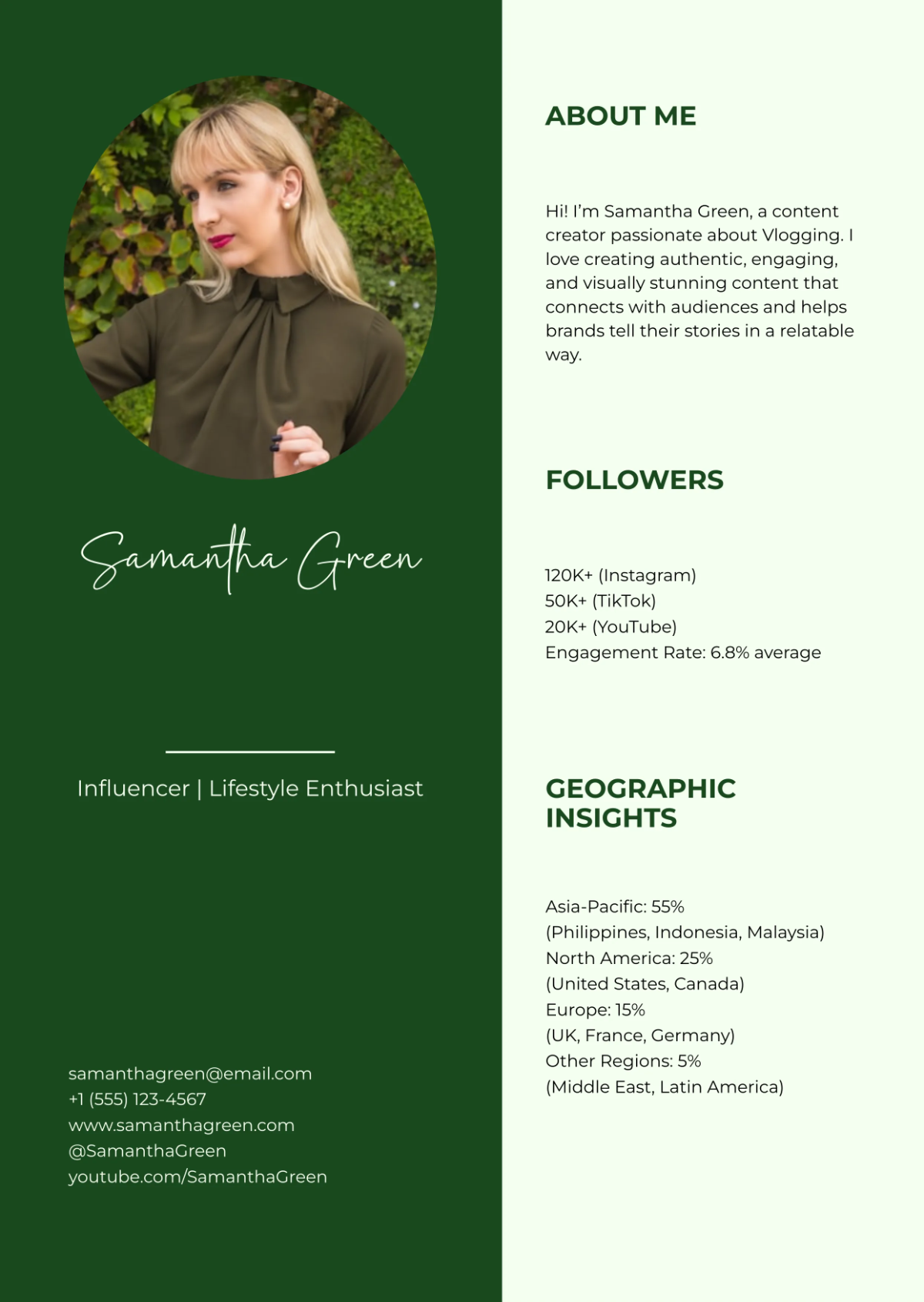
Instead, pitch yourself as a specialist. Create a media kit that highlights your niche, your audience demographics, and your unique value. For example: “I reach 12,000 eco-conscious women aged 25-40 who actively seek sustainable alternatives.” That’s gold to a brand like a biodegradable skincare line.
Affiliate marketing? Yes, but strategically
Affiliate links can be a great revenue stream — if you’re selective. Share products you actually use and love within your niche. If you’re a “home barista” influencer, link your favorite espresso machine, not a random coffee mug. Your audience trusts you because you’re consistent. Break that trust, and you lose the niche magic.
Common niche branding mistakes (and how to avoid them)
You’re human, so you’ll slip up. That’s okay. But here are a few traps to watch for:
- Being too broad: “Health and wellness” is a battlefield. “Yoga for postpartum moms with back pain” is a cozy corner.
- Copying others: Your niche branding should feel like you, not a clone of a bigger creator. Add your quirks.
- Ignoring analytics: Check what content gets the most saves and shares. Double down on that.
- Forgetting to evolve: Your niche can shift as you grow. Just communicate it to your audience.
One more thing — don’t be afraid to show your personality. Niche branding isn’t a straitjacket. It’s a filter. Let your humor, your awkwardness, your passion shine through. That’s what makes you unforgettable.
The long game: patience and persistence
Look, niche branding for micro-influencers isn’t a quick hack. It’s a slow burn. You might feel like you’re talking to an empty room for months. But then, one day, a brand reaches out. Or a follower says, “Your account changed how I think about X.” That’s the payoff. You’re not just building a following — you’re building a community around a shared passion.
And honestly? That’s more sustainable than chasing trends. When you own your niche, you own your worth. You stop competing on follower count and start competing on impact. That’s where the real growth happens — not just in numbers, but in meaning.
So go ahead. Pick your corner. Paint it with your colors. Speak in your voice. The right people will find you. And they’ll stay.
[Meta title: Niche Branding for Micro-Influencers: Build Authentic Growth & Authority | Meta Description: Discover how micro-influencers can use niche branding to stand out, build trust, and monetize authentically. Actionable tips