

Let’s be honest. The dream of a global team is incredible—access to the best talent, 24-hour productivity cycles, diverse perspectives. But the reality? It can feel like trying to conduct an orchestra where every musician is playing from a different score, in a different city, and half of them are asleep.
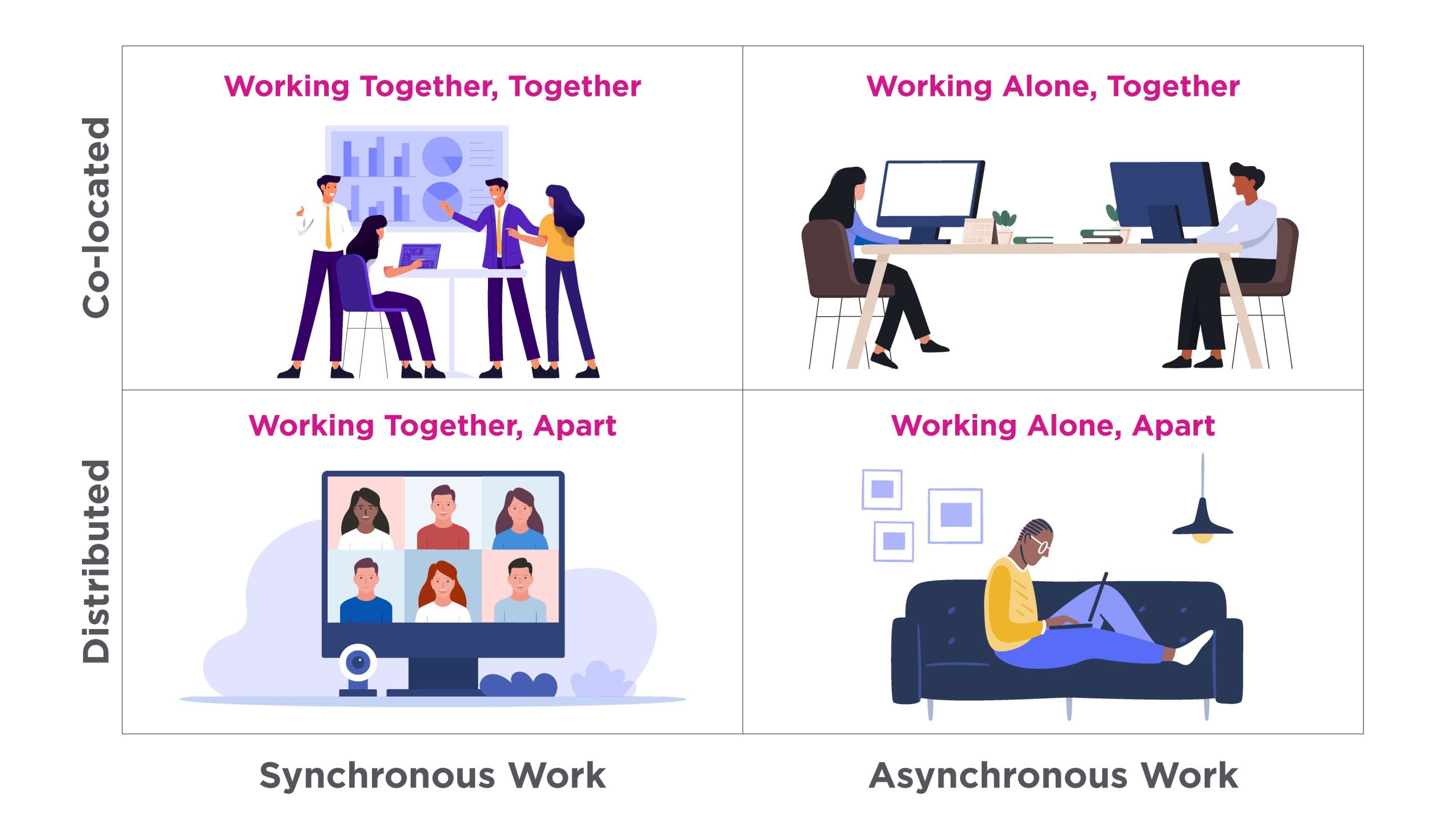
Managing distributed teams across multiple time zones isn’t just a logistical puzzle; it’s a complete rethinking of how work gets done. The old synchronous playbook—where everyone needs to be “present” at the same time—simply falls apart. The real magic, and the real challenge, lies in mastering asynchronous workflows.
The Asynchronous Mindset: It’s Not Just “Working Whenever”
First, a quick clarification. Asynchronous work isn’t just letting people choose their own hours. That’s flexible work. Asynchronous is a structural approach. It means designing processes where collaboration doesn’t require real-time interaction. Think of it like sending a letter versus having a phone call. The letter (or detailed project brief, or Loom video update) contains all the context needed for the recipient to act—on their own schedule.
The goal? To create a work environment that is deeply inclusive of all time zones. No one should be chronically exhausted from 3 AM meetings or feel perpetually out of the loop because the big decision happened while they were offline.
Core Principles for Async Success
Okay, so how do you build this? It starts with a few non-negotiable principles. You have to bake these into your team’s DNA.
- Documentation is Oxygen. If it’s not written down, it didn’t happen. Decisions, project specs, meeting notes—they all live in a shared, searchable hub (like Notion, Confluence, or Coda). This eliminates the “I missed that call” panic.
- Communication Shifts from Instant to Intentional. Default to async-first tools (Slack threads, project comments, email) for updates and discussions. Reserve synchronous meetings only for complex brainstorming, sensitive conversations, or relationship-building. And always, always have an agenda.
- Embrace “Over-Communication.” In an office, context is ambient. You overhear things. Remotely, you have to deliberately broadcast it. It feels weird at first—like you’re stating the obvious. But for someone eight time zones away, that “obvious” context is everything.
Practical Tactics for Time Zone Harmony
Principles are great, but you need concrete tactics. Here’s where the rubber meets the road in managing global remote teams.
Mastering the Meeting Rotisserie
The single biggest pain point. The rule is simple: rotate meeting times. If your team is split between APAC, EMEA, and the Americas, the burden of an inconvenient meeting time should not always fall on the same group. Use a tool like World Time Buddy to visualize overlaps and establish a fair rotation schedule. Honestly, this one act of fairness builds more goodwill than almost anything else.
The Sacred “Core Hours” Overlap
Even in an async world, some real-time collaboration is necessary. Establish a 3-4 hour window where everyone is expected to be online and available. This is for quick syncs, urgent questions, or that weekly team huddle. It’s a compromise, sure, but a critical one. For a team spanning from New York to Berlin to Manila, that window might be 9 AM to 12 PM EST (which is 3 PM to 6 PM in Berlin and 9 PM to midnight in Manila). It’s not perfect for anyone, but it’s fair for everyone.
Output is the Only Metric That Matters
This is the great liberator of async work. When you can’t see people at their desks, you have to stop measuring “activity” or “hours online” and start measuring outcomes. Define clear deliverables, deadlines, and quality standards. This empowers your team members to structure their own peak productivity periods—whether that’s at 6 AM or 11 PM—without guilt or micromanagement.
Tools & Rituals: The Async Toolkit
Your tools should enable your philosophy, not dictate it. Here’s a quick look at what a robust toolkit for distributed collaboration might include:
| Purpose | Tool Examples | Async Benefit |
| Project & Knowledge Hub | Notion, Confluence, Coda | Centralizes truth. Reduces repetitive questions. |
| Async Communication | Slack (threads!), Loom, Miro (async mode) | Allows thoughtful, context-rich updates without interruption. |
| Project Management | Asana, ClickUp, Jira | Makes progress visible to all, regardless of location or time. |
| Meeting Management | Calendly, SavvyCal, World Time Buddy | Simplifies scheduling across zones with respect for personal time. |
But tools are useless without rituals. Establish a weekly “async update” where each team member posts key wins, blockers, and priorities in a dedicated channel. Use Loom to create quick video walkthroughs of complex issues. These rituals create a predictable rhythm in an otherwise fluid work environment.
The Human Element: Fighting Isolation and Building Trust
Here’s the thing we often forget. Asynchronous workflows can, if we’re not careful, feel transactional. Cold. The watercooler chat disappears. So you have to engineer serendipity and connection.
Create non-work channels for hobbies, pets, or random finds. Schedule optional virtual coffees using Donut or a similar app, pairing teammates across the globe for a 20-minute casual chat. Celebrate wins publicly and personally. A handwritten note sent through the mail to a remote employee? Incredibly powerful.
Trust is the currency of async work. And it’s built in these small, human moments—not just in hitting deadlines. You have to be intentional about fostering team cohesion when face-to-face time is rare.
Wrapping Up: The Future is Already Here
Managing distributed teams across multiple time zones isn’t a fringe skill anymore. It’s core leadership competency for the modern era. It demands a shift from presence-based management to outcome-based leadership. From synchronous default to asynchronous-first thinking.
The payoff is immense. You get a resilient, truly global team that can weather any storm—personal or global—because the work isn’t tied to a place or a specific nine-to-five window. You unlock deep work and incredible talent. But you have to be willing to let go of the old rhythms and embrace the beautiful, complex, sometimes-messy symphony of work happening on a planetary scale.
The clock is ticking, everywhere at once. It’s time to work in harmony with it.