

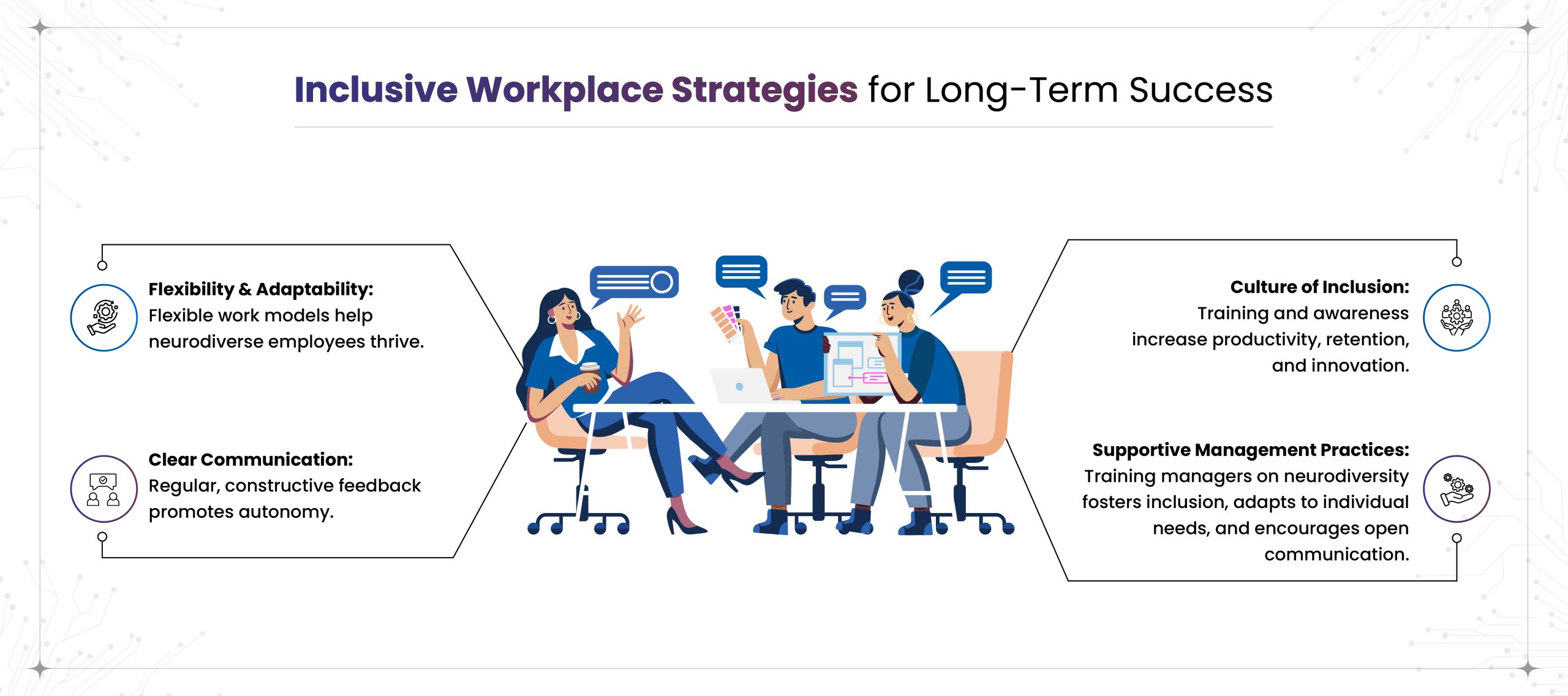
Let’s be honest. Most companies talk a good game about diversity and inclusion. But when it comes to neurodiversity—the natural variation in human brain function and behavioral traits—the conversation often stumbles. It’s one thing to celebrate different backgrounds; it’s another to genuinely value different ways of thinking, processing, and working.
Here’s the deal. Neurodiversity includes conditions like Autism, ADHD, Dyslexia, Dyspraxia, and Tourette’s Syndrome. It’s not about fixing a deficit. It’s about recognizing a competitive advantage. The intersection of neurodiversity and inclusive management practices isn’t just a niche HR topic. It’s the blueprint for unlocking innovation, problem-solving, and resilience in your teams.
Why Standard Management Practices Often Miss the Mark
Think about a typical workday. Open-plan offices buzzing with chatter. Vague instructions like “take initiative.” Rigid 9-to-5 schedules. Performance reviews based on nebulous “team fit.” For many neurodivergent individuals, this isn’t just annoying—it’s a barrier that walls off their unique strengths.
Traditional management, you see, was built for a mythical “average” brain. It assumes everyone communicates, focuses, and innovates the same way. That’s a problem. Inclusive management for neurodiversity requires a shift—from compliance to empowerment, from uniformity to flexibility.
The Core Mindset Shift: From Accommodation to Integration
First, a crucial distinction. Accommodations are reactive—adjustments made for an individual after they’ve struggled. Integration is proactive. It’s designing systems and a culture from the ground up that reduce the need for special requests. It’s baking inclusivity into the recipe, not just adding a topping at the end.
This shift is the heart of neurodiversity-inclusive leadership. It means asking: “How can we structure work so everyone can contribute their best?” The answer isn’t one-size-fits-all. It’s a toolkit of adaptable practices.
Practical Strategies for Neuroinclusive Management
Okay, so what does this look like in practice? Let’s dive into some concrete areas.
1. Rethink Communication & Expectations
Ambiguity is the enemy of inclusion for many. Clear, direct communication is key.
- Provide context, not just tasks. Explain the “why” behind a project. This helps in pattern recognition and big-picture thinking.
- Default to written instructions. Supplement verbal briefs with clear, written summaries. This helps everyone, but especially those who process auditory information differently.
- Normalize communication preferences. Let people state how they best receive feedback (in writing first? in a calm one-on-one?). Make it a standard part of team check-ins.
2. Design for Sensory & Cognitive Accessibility
The physical and digital workspace can be a minefield or a sanctuary. Simple changes make a world of difference.
| Pain Point | Inclusive Solution | Universal Benefit |
| Overly bright, flickering lights | Dimmable lights, available desk lamps, offering noise-cancelling headphones | Reduces eye strain and headaches for all |
| Constant background noise | Designated quiet zones, “focus hours” with no meetings | Improves deep work concentration |
| Vague project management tools | Structured, visual platforms (like Trello, Asana) with clear stages | Increases team clarity and accountability |
3. Overhaul Hiring & Performance Evaluation
Honestly, the typical job interview is a test of social mimicry, not capability. And performance reviews? Often biased toward the loudest voices.
- Skills-based assessments over abstract interviews. Give a realistic work problem to solve, not a “where do you see yourself in 5 years?” question.
- Focus on outcomes, not “how” the work gets done. Measure the quality and impact of the deliverable, not whether it was done between 9 AM and 5 PM at a desk.
- Use clear, objective criteria. Tie evaluations to specific, pre-communicated goals and metrics. This reduces anxiety and bias.
The Tangible Benefits—It’s Not Just “The Right Thing to Do”
Sure, doing the right thing matters. But the business case is, frankly, overwhelming. When you implement inclusive management practices for neurodiverse teams, you’re not just checking a box. You’re strategically investing in:
- Innovation on overdrive. Different cognitive wiring spots different patterns, risks, and solutions. A team that thinks the same will solve problems the same.
- Skyrocketing employee retention. When people feel understood and can work in ways that suit them, they stay. They engage. They go the extra mile.
- Access to a massive talent pool. You’re tapping into skills often overlooked: hyper-focus, detail orientation, creative problem-solving, and divergent thinking.
In fact, companies that have embraced this—like SAP, Microsoft, and JPMorgan Chase—report gains in productivity, innovation, and employee satisfaction. It’s a classic win-win.
The Human Part: Fostering Psychological Safety
All these practices hinge on one non-negotiable element: psychological safety. People need to feel safe to disclose, to ask for what they need, to work differently without fear of being labeled “difficult.”
This starts with leaders. Modeling vulnerability, admitting you don’t have all the answers, and—crucially—listening without judgment. It means moving from a culture of “fit” to a culture of “contribution.” Where the question isn’t “Do they act like us?” but “What unique value do they bring?”
It’s messy. It requires ongoing dialogue and a willingness to adapt. There will be missteps, sure. But that’s the point. A truly inclusive environment isn’t a static policy; it’s a living, breathing practice of paying attention and caring enough to adjust.
A Final Thought: Beyond the Checklist
So, where does this leave us? The intersection of neurodiversity and inclusive management is more than a set of tactics. It’s a fundamental re-imagining of what work can be. It challenges the very notion of “professionalism” that often masks conformity.
By designing workplaces that welcome cognitive diversity, we aren’t just building better businesses. We’re acknowledging a simple, profound truth: the best way to solve the complex problems of tomorrow is to ensure every kind of mind has a seat at the table today. And that the table itself is shaped to fit them all.