

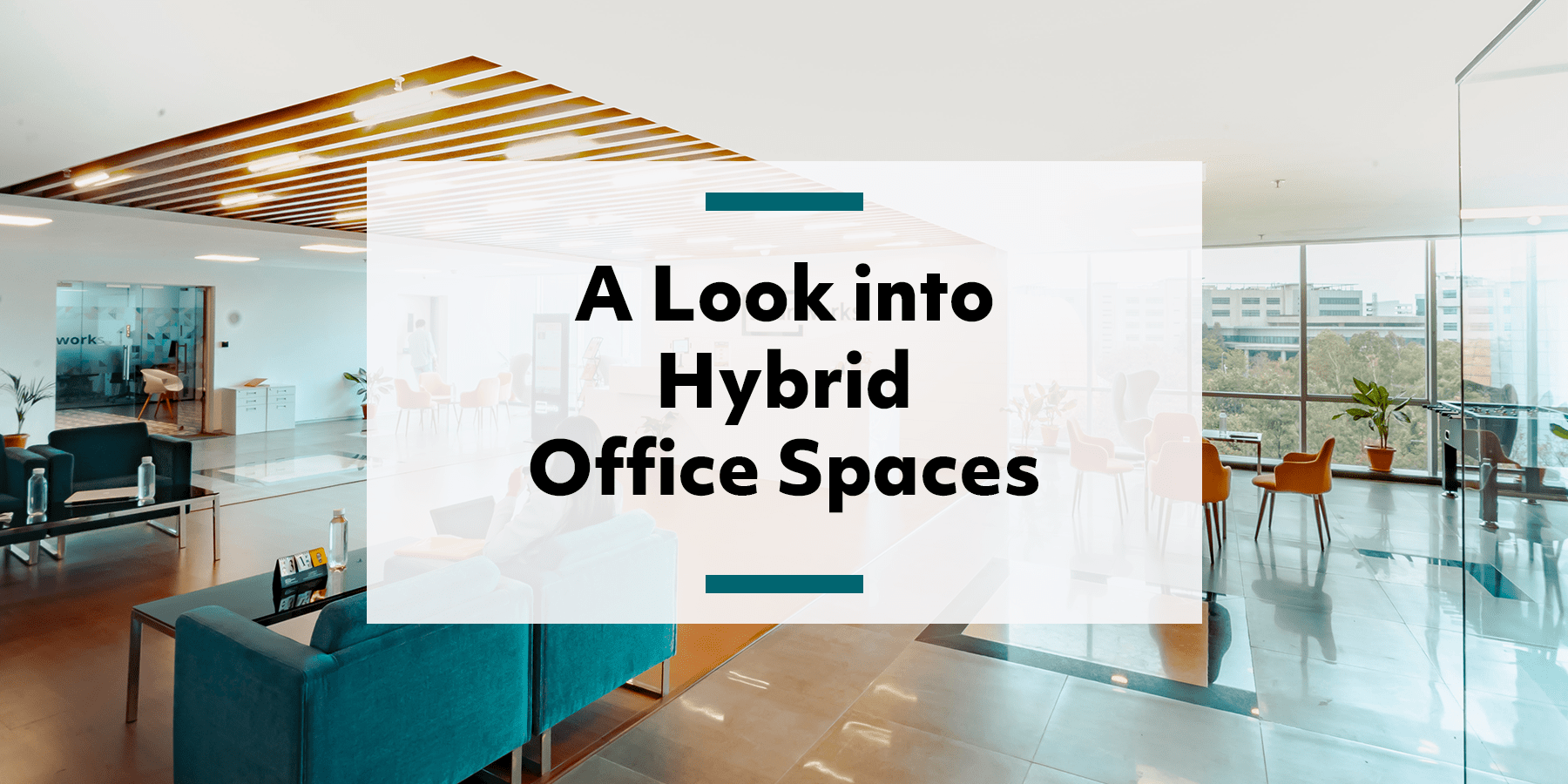
Let’s be honest. The office isn’t what it used to be. It’s not just a place to show up anymore. For hybrid teams, it’s become a strategic destination—a physical touchpoint in a largely digital work life. And that shift? It’s completely changed the game for how companies think about their space.
Here’s the deal: your office now has to earn the commute. It has to pull people in with something they can’t get at their kitchen table. And that “something” is increasingly found at the powerful, often messy, intersection of brand identity and spatial design. It’s about building an environment that doesn’t just house your culture, but actively expresses and reinforces it.
Beyond the Logo on the Wall: What We Really Mean by Branded Space
Sure, putting your logo in the lobby is a start. But it’s the bare minimum, you know? It’s like introducing yourself with just your name and then going silent. True brand integration in hybrid work environments is a full sensory conversation.
Think about it. Your brand has a personality—maybe it’s innovative, collaborative, rugged, or meticulously calm. Spatial design translates those abstract values into tangible experiences. Is your brand all about transparency? Then maybe glass walls and open sightlines dominate. Is it about deep focus and craftsmanship? Then acoustically private nooks and quality materials tell that story without a single word.
This is where the magic—and the challenge—of designing for hybrid work kicks in. The space must serve multiple, sometimes conflicting, masters: collaboration and concentration, community and individuality, consistency and flexibility.
The Core Pillars of a Branded Hybrid Hub
Getting this right isn’t about wild interior design trends. It’s about anchoring your space in a few foundational pillars that bridge your brand promise with employee needs.
- Intentional Anchoring: Why should people come in? The design must answer this. Is the office the best place for brainstorms, client workshops, or mentoring? Define those anchor purposes and let the brand ethos shape those zones. A creative agency might have a vibrant, reconfigurable “idea lab,” while a financial firm’s primary collaboration space feels solid, reliable, and tech-integrated.
- Experiential Consistency: The employee journey from digital to physical should feel seamless. If your brand is known for effortless customer service, the office experience should be just as intuitive—from booking a hot desk to finding a tech-enabled meeting room. Friction here creates a brand disconnect.
- Authentic Materiality: This is a big one. The colors, textures, furniture, and even scents should be an extension of your brand’s visual and emotional language. A sustainable outdoor brand might use reclaimed wood, natural light, and indoor plants, creating a biophilic design that feels genuine. Using cheap laminate in that setting would, well, feel off. It’d be a mismatch.
Navigating the Hybrid-Specific Design Dilemmas
Okay, so principles are great. But the rubber meets the road in the daily realities of hybrid work. Design choices here make or break the experience.
Technology as the Invisible Ambassador
In a hybrid model, technology isn’t just a utility; it’s a core component of your spatial brand. Clunky video calls that leave remote colleagues feeling like second-class citizens? That speaks volumes—and none of it good. Seamless, equitable technology is a non-negotiable brand investment. It says, “We connect everyone with equal care.”
Flexibility Without Feeling Generic
We need flexible, unassigned seating. But how do you avoid creating a sterile, anonymous hotel lobby? The answer is in branded “neighborhoods” or settings. Instead of 100 identical desks, create distinct zones with different purposes and personalities that still tie back to your core identity. A “library” zone for quiet work, a “cafe” zone for informal chats, a “project war room” for team sprints. Each can have its own feel within the overarching brand aesthetic.
| Design Element | Traditional Office Approach | Branded Hybrid Approach |
| Meeting Rooms | Named by number or size (Conf. Room 4A) | Named by brand values or local landmarks (The “Iteration Lounge,” “Summit Peak”) |
| Wayfinding | Standard signage | Integrated environmental graphics using brand colors & typography |
| Acoustics | An afterthought | A branded experience—using specific sound-absorbing materials that align with the aesthetic |
| Employee Belonging | Personalized cubicles | Branded “reset” kits at clean desks, digital lockers, curated community boards |
The Human-Centric Bottom Line
At the end of the day—and this is crucial—the ultimate goal of blending brand identity with spatial design isn’t just to look good in photos. It’s to shape behavior and foster belonging. A well-designed, brand-coherent space subtly guides how people interact, collaborate, and even think.
It tells a remote employee visiting for the first time, “This is who we are, and you’re a part of it.” It reminds the long-tenured team member of the company’s journey and values. It reassures a client the moment they step off the elevator. The space becomes a three-dimensional brand manifesto.
And look, this isn’t about massive budgets or architectural marvels. It’s about intentionality. It’s asking, “Does this paint color, this furniture arrangement, this tech setup, tell the story we want to tell? Does it solve a real problem for our hybrid team?”
Crafting Spaces That Matter
The future of work is undeniably hybrid, fluid, and human-centric. In this landscape, the physical office surrenders its role as a mandatory container and transforms into a cultivational tool. Its new job is to attract, connect, and inspire.
So the intersection we’ve been talking about? It’s not a minor crossroad. It’s becoming the main street of workplace strategy. When your brand identity authentically informs your spatial design, you build more than an office. You build an ecosystem that works as hard as your people do—where every corner, connection, and quiet space feels unmistakably, meaningfully, like home for your brand.