

Let’s be honest. The trade show floor can feel like a monument to excess. Think about it: mountains of single-use brochures, carpets of vinyl banners destined for landfills, and those giant, custom-built displays that get used maybe three times before being…stored forever? It’s a lot. And in today’s world, attendees aren’t just looking for the next product—they’re looking for partners who share their values.
That’s the real opportunity here. Embracing sustainable trade show practices isn’t just about checking a “green” box. It’s about building a smarter, more authentic, and honestly, more memorable brand presence. It’s good for the planet, sure, but it’s also good for your budget and your reputation. Here’s the deal: going green is no longer a niche choice. It’s a core strategy for the modern exhibitor.
Rethinking Your Exhibit’s Foundation
It all starts with what you build. The old model of “build, ship, trash” is, well, exhausting and wasteful. The new model? Think circular.
Modular & Reusable Display Systems
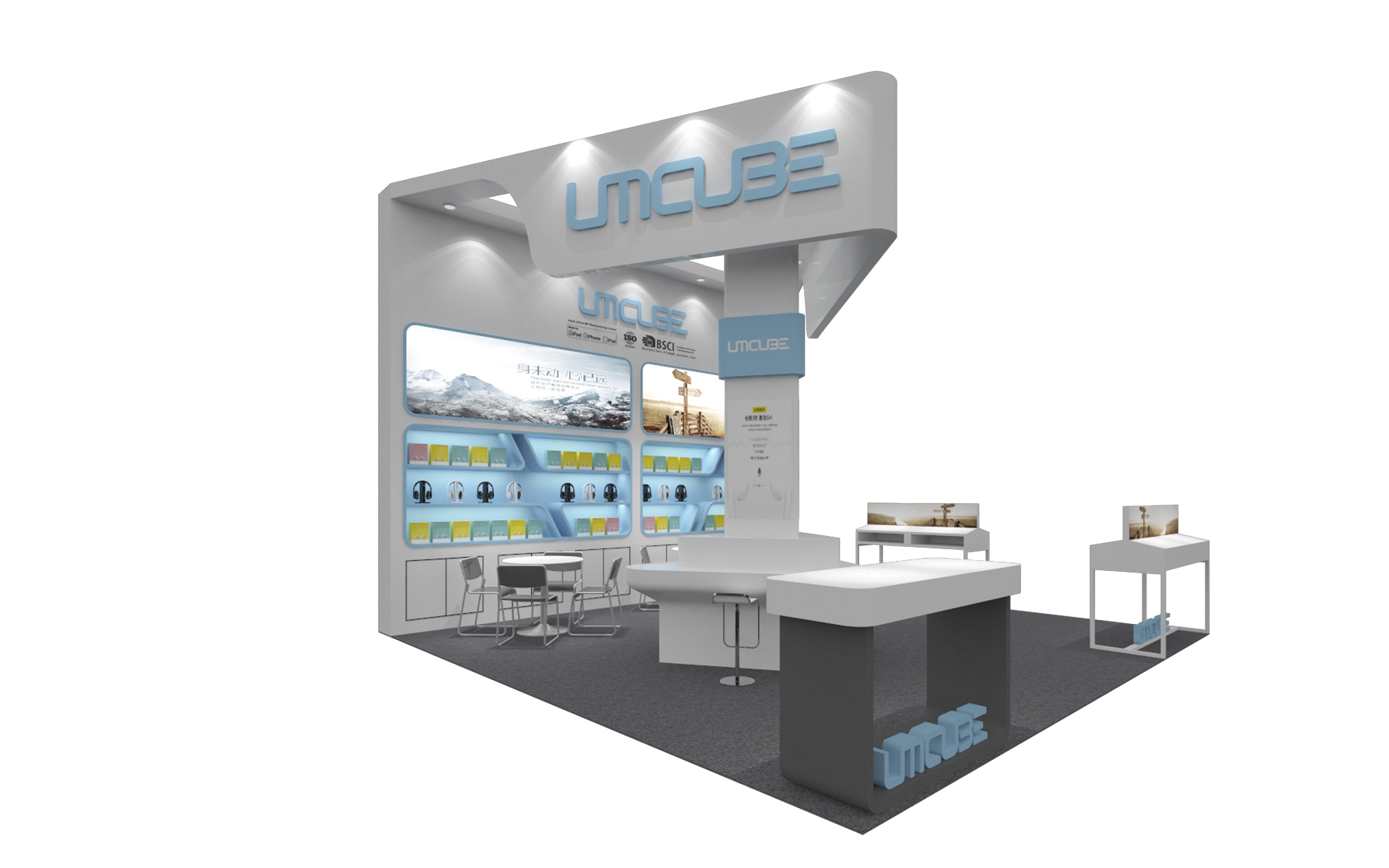
Forget the one-and-done custom monstrosity. Modular displays are the workhorses of eco-friendly exhibiting. These systems use lightweight, interlocking components—aluminum frames, fabric panels, recycled plastic tiles—that you can reconfigure for every show. It’s like LEGO for your brand. You get a fresh look each time without the fresh waste.
And the materials matter. Look for panels made from recycled PET felt (those plastic bottles get a second life) or sustainably sourced wood. Many suppliers now offer carbon-neutral shipping options, which is a huge, often overlooked piece of the footprint puzzle.
The Rental Revolution
Don’t own, rent. Seriously. The exhibit rental market has exploded, offering high-quality, stylish options that you use and return. The rental company handles maintenance, storage, and lifecycle. This is a game-changer for companies doing a handful of shows a year. You slash your storage costs and your environmental impact in one move. It’s the ultimate in efficient resource use.
Smart Graphics and Giveaways (That People Actually Keep)
This is where most waste happens. You know the scene: a sea of discarded tote bags full of crumpled flyers. Let’s flip that script.
Eco-Conscious Signage
Vinyl is a problem. It’s PVC-based and rarely recyclable. The alternatives, though, are beautiful. Consider:
- Fabric banners using digital printing on recycled polyester. They pack down small, don’t crease, and can be reused for years.
- Recyclable cardboard or wood-based stands for a rustic, authentic feel.
- Living walls or moss walls as a stunning, breathable backdrop.
And for the love of trees, go digital where you can. A large, dynamic screen can cycle through messages, replacing a dozen static signs.
Swag with a Soul (and a Second Life)
The key to sustainable trade show giveaways is quality and utility. Give people something they want to keep. Ditch the plastic junk.
- Useful items from recycled materials: Notebooks from stone paper, pens from recycled plastic, USB drives from bamboo.
- Edible or plantable gifts: Seed paper cards, locally-sourced snacks in compostable packaging.
- Digital leads, literally: Use a great QR code system. Offer to email the brochure or spec sheet instead of handing out a 50-page tome. This improves lead capture accuracy, too—a double win.
Operations & The Human Element
Sustainability isn’t just about stuff. It’s about how you and your team operate on the ground. These small actions add up to a big impression.
| Practice | Impact |
| Use LED lighting exclusively | Cuts energy use by up to 80% vs. halogens, and reduces booth heat. |
| Bring refillable water bottles & set up a hydration station | Eliminates hundreds of single-use plastic bottles. |
| Choose local labor for setup | Reduces travel emissions for your crew. |
| Plan a proper waste sort post-show | Ensures recyclables and compostables don’t end up in the trash. |
Also, train your staff. Make sure they understand the why behind your choices so they can communicate it authentically to attendees. It’s a story, not a checklist.
The Bigger Picture: Measuring & Communicating Your Impact
You’ve put in the work. Now, don’t be shy about it—but be genuine. Greenwashing backfires spectacularly.
Track what you’ve saved. Work with your vendors to get estimates: “This display used 200 recycled plastic bottles.” or “Our rental choice saved 1,500 lbs of carbon emissions.” That’s powerful, tangible stuff.
Weave it into your narrative. Use subtle signage at the booth: “Our display is 100% reusable and recyclable.” Mention it in conversations: “We’re trying something new this year—all our giveaways are made from upcycled materials.” It sparks a different, more meaningful dialogue.
Look, perfection is impossible. Maybe you can’t overhaul your entire display this year. But could you switch to digital brochures? Could you source one killer giveaway from a sustainable brand? That’s the point. Start somewhere. Each choice is a step away from the old, wasteful cycle and toward a presence that’s not just seen, but respected.
In the end, a sustainable booth tells a silent but incredibly loud story about your company. It says you’re thoughtful, forward-thinking, and responsible. It says you care about more than just the immediate sale. And in a crowded convention hall, that kind of quiet confidence can make all the noise.