

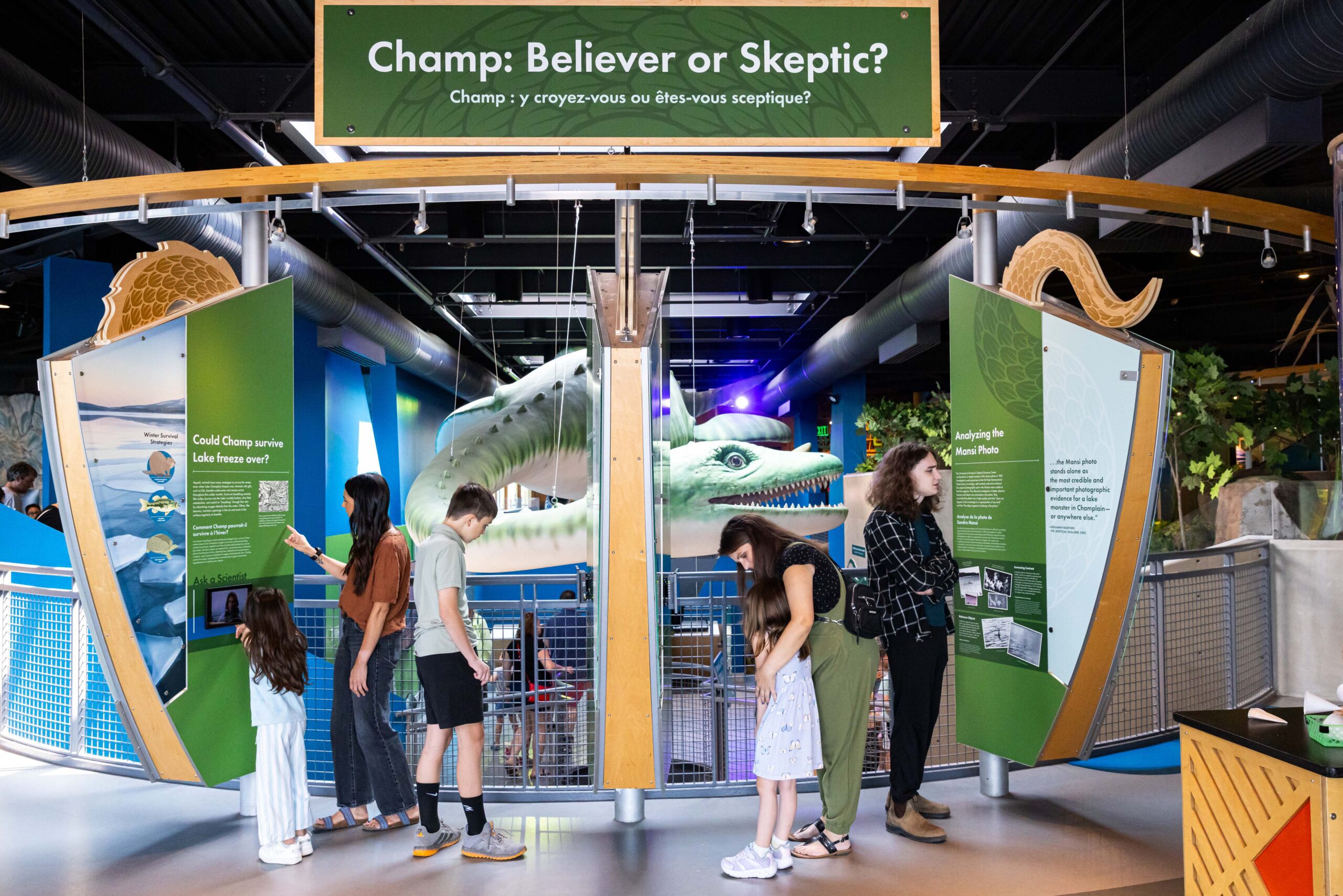
Think about the last trade show you attended. The roar of overlapping conversations. The harsh, unrelenting glare of fluorescent lights. The labyrinth of nearly identical booths, each vying for your attention with flashing screens and bold graphics. For many, it’s an energizing spectacle. For others—honestly, for a significant chunk of the population—it’s a sensory and cognitive gauntlet that’s exhausting, confusing, or downright inaccessible.
That’s where neurodiversity comes in. It’s the idea that neurological differences—like Autism, ADHD, Dyslexia, or Sensory Processing Disorder—are natural variations in the human brain, not deficits. And inclusive design is the practice of creating environments usable by the widest range of people, without the need for adaptation. When we marry these concepts in trade show design, we don’t just check an accessibility box. We unlock deeper engagement, foster genuine connection, and frankly, build better events for everyone.
Why Neuro-Inclusive Trade Shows Are a Business Imperative
Let’s be clear: this isn’t just about goodwill. It’s smart business. Neurodivergent individuals bring incredible strengths to industries—pattern recognition, hyper-focus, innovative thinking, and deep-dive expertise. They’re attendees, buyers, executives, and innovators. If your trade show environment inadvertently excludes them, you’re missing out on valuable connections and revenue.
More than that, inclusive design has a funny way of improving the experience across the board. Ever appreciated a quiet corner to take a phone call? That’s a neuro-inclusive feature. Found clear, simple signage helpful? That, too. Designing for the edges often benefits the center. It’s the curb-cut effect: ramps designed for wheelchairs also help people with strollers, delivery carts, and sore knees.
The Sensory Storm: Rethinking the Trade Show Floor
The conventional trade show is a sensory minefield. The goal of inclusive design isn’t to strip away all stimulation—that energy is part of the point—but to offer choice and control. Here’s how.
Soundscapes and Auditory Overload
Noise is perhaps the biggest hurdle. Open floor plans create a cacophony of echoes and competing sounds that can be painful and disorienting.
- Offer Quiet Zones: Designated, sound-dampened areas for decompression are non-negotiable. These aren’t broom closets, but intentionally designed havens with comfortable seating and low lighting.
- Embrace Sound Buffering: Use carpeting, acoustic panels, fabric drapery, and strategic booth layouts to absorb sound. High-walled booth designs can create pockets of relative calm.
- Provide Noise-Canceling Options: Have a few pairs of noise-canceling headphones available for loan at registration or info desks. It’s a simple, low-cost gesture with massive impact.
Lighting and Visual Chaos
Flickering LEDs, pulsating video walls, and stark overhead lighting can trigger migraines, anxiety, and make it hard to focus.
Opt for natural, adjustable lighting where possible. Encourage exhibitors to use steady, non-flashing lighting in their displays. And create visual “rest stops”—areas with muted colors and minimal visual clutter to give attendees’ eyes a break. Think of it like visual punctuation.
Cognitive Clarity: From Navigation to Communication
Beyond the senses, we need to design for cognitive accessibility. This is about making information predictable and interactions straightforward.
Wayfinding is key. A confusing floor plan is a barrier. Use clear, high-contrast signage with pictograms. Offer a digital map option that allows for pre-planning routes—a huge help for those who need to manage anxiety or executive function demands. Color-coding different hall sections? A classic for a reason.
Communication variety matters, too. Not everyone thrives on rapid-fire, high-pressure booth pitches.
| Inclusive Practice | How It Helps |
| Pre-show materials with clear booth info & meeting agendas | Reduces anxiety, allows for mental preparation. |
| Visual aids & product demos that don’t require lengthy verbal explanation | Supports autistic individuals & those with language processing differences. |
| Clear signage on how to initiate/end a conversation at a booth | Takes the social guesswork out, easing anxiety for many. |
| Offering multiple ways to connect (scan QR for info vs. talk now) | Gives attendees control over the interaction pace. |
Putting It Into Practice: An Actionable Blueprint
Okay, so this all sounds good in theory. But how do you actually do it? Start with these steps.
- Audit with Empathy: Walk your planned floor layout with a neurodiversity lens. Where are the choke points? Where would the light and sound be overwhelming? Better yet, consult with neurodivergent individuals in your planning phase.
- Train Your Staff & Exhibitors: Awareness is everything. Brief staff on neurodiversity, sensory needs, and non-judgmental support. Provide exhibitor guidelines on inclusive booth design and engagement techniques.
- Communicate Accessibility Upfront: Detail the accommodations you’ll offer (quiet zones, headphone availability, floor plan features) on your event website. This allows attendees to plan and shows you’re serious.
- Design for Flexibility: The core principle is choice. Offer stimulating and calm spaces, loud and quiet interactions, visual and textual information. Let the attendee choose their own adventure.
The Ripple Effect of Getting It Right
When you design for neurodiversity, something beautiful happens. The parent with a stroller finds a quiet corner to soothe their overstimulated toddler. The attendee recovering from a concussion can navigate without triggering a headache. The introverted innovator finds a comfortable way to engage with your product. You create an environment of psychological safety, where people aren’t using all their energy just to cope with the space.
In the end, neuro-inclusive trade show design is about recognizing that there is no single, standard way of experiencing the world. It’s about moving beyond a one-size-fits-all model and building a dynamic, flexible ecosystem that welcomes different minds. It’s not about perfection—it’s about intention, iteration, and understanding that the most vibrant, successful marketplaces are those where everyone has a genuine chance to connect, learn, and contribute.