

Let’s be honest. In a world saturated with logos, ads, and notifications, getting someone to consciously notice your brand is hard. Getting them to feel something for it? That’s the real challenge. That’s where neurodesign comes in.
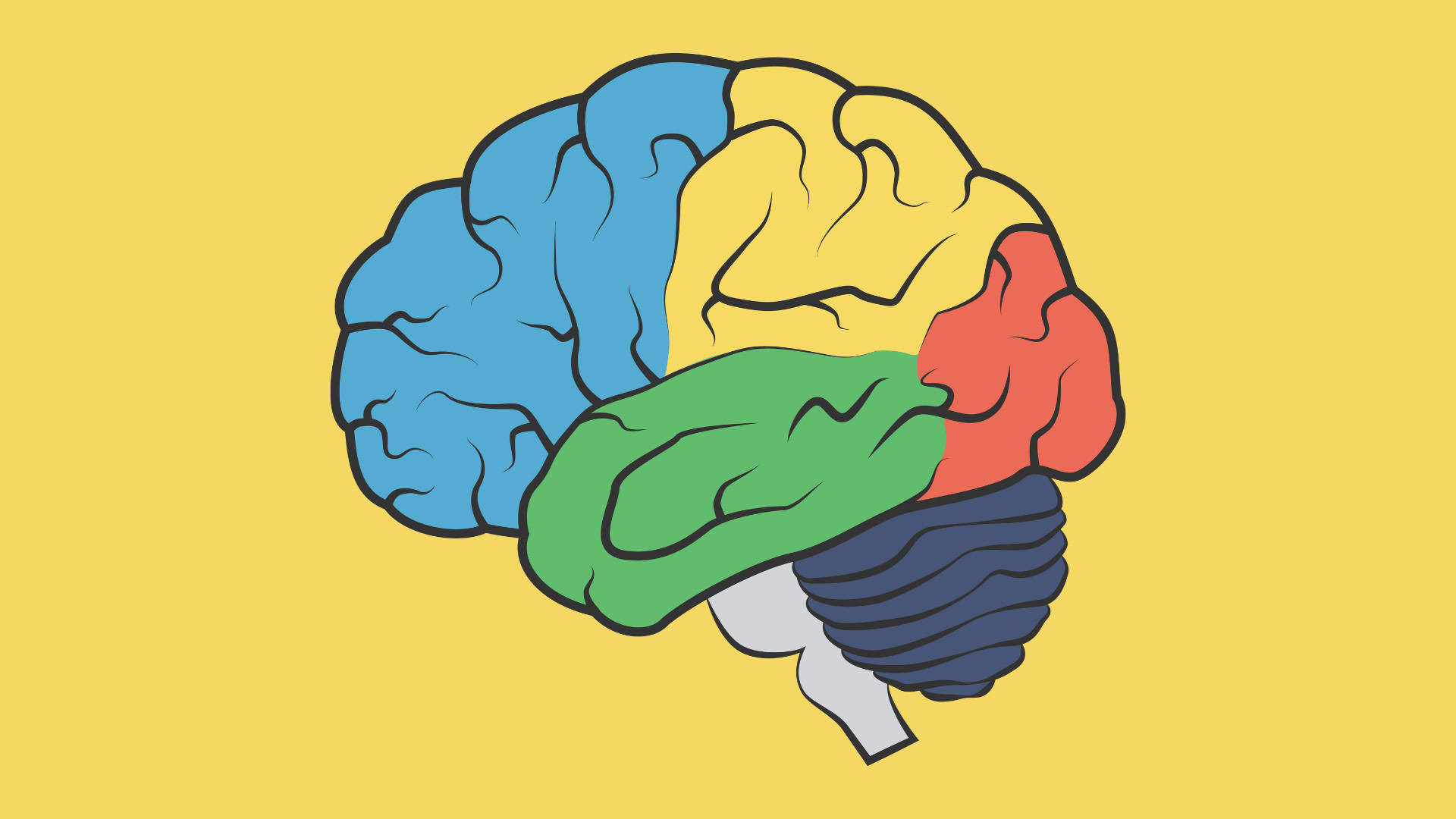
Neurodesign isn’t just a buzzword. It’s the practice of applying neuroscience and psychology to design—creating visuals, interfaces, and experiences that speak directly to the subconscious brain. It’s about building a bridge to your audience that bypasses the noise and creates a genuine, almost instinctual, brand connection. Here’s how you can start implementing it.
What Neurodesign Really Means (It’s Not Mind Control)
First off, let’s demystify it. Neurodesign isn’t about sinister manipulation. Think of it more like… understanding the brain’s user manual. Our brains are wired for efficiency. They use shortcuts—heuristics and primal triggers—to process information quickly. Neurodesign simply uses those known pathways to make your brand’s message clearer, more memorable, and more emotionally resonant.
The goal? To move from just being seen to being felt. And that feeling, that subconscious brand connection, is what drives loyalty far more than any rational feature list ever could.
Core Principles to Wire Your Brand into the Brain
1. The Primacy of Visual Processing
The visual cortex is massive. We process images 60,000 times faster than text. So your color palette, imagery style, and logo aren’t just aesthetic choices—they’re neurological signals.
Actionable tip: Use color psychology with nuance. Blue might signal trust, but a specific teal shade can feel innovative. A deep burgundy whispers luxury, while a bright red screams urgency. Consistency here is non-negotiable. Your brand’s visual signature should be instantly decodable, creating a subconscious anchor.
2. Harnessing Cognitive Fluency
Our brains love what’s easy. Cognitive fluency is the mental ease with which we process information. The more fluent an experience, the more we tend to like and trust it. Cluttered layouts, confusing navigation, or inconsistent fonts create cognitive dissonance—a subtle but powerful turn-off.
You know that sense of effortless flow you get on your favorite app? That’s fluency in action. It makes a brand feel intuitive, familiar, and safe on a gut level.
3. The Power of Story & Pattern Recognition
Our brains are pattern-matching, story-craving machines. We instinctively try to fit new information into existing narratives. Neurodesign for brand storytelling means creating visual and experiential patterns that the brain can quickly slot into a satisfying “story.”
This could be a recurring visual motif in your photography, a predictable (in a good way) rhythm to your content, or a consistent character in your illustrations. Each interaction becomes a recognizable chapter, building subconscious anticipation and comfort.
Putting Neurodesign to Work: A Practical Framework
Okay, so principles are great. But how do you actually do this? Let’s break it down into a sort of checklist. Think of these as levers you can pull.
| Design Element | Neurodesign Principle | Practical Application |
| Color & Contrast | Visual Salience & Emotion | Use high contrast for key CTAs. Stick to a 3-color primary palette for fluency. Test emotional response to hues. |
| Typography | Cognitive Fluency | Limit font families. Ensure high readability. Use font weight (bold, light) to create a visual hierarchy the brain scans easily. |
| Imagery & Faces | Social Proof & Mirror Neurons | Use authentic human faces looking at your product or CTA. Smiles trigger mirror neurons, fostering connection. |
| Whitespace | Reduced Cognitive Load | Don’t fear empty space. It gives the brain room to breathe and focuses attention on what truly matters. |
| Motion & Micro-interactions | Reward Pathways | A subtle confirmation animation releases a dab of dopamine. It feels like a reward for interacting. |
The Subtle Stuff: Where the Magic Really Happens
Beyond the basics, there are subtler neurodesign tactics. For instance, our brains are wired for symmetry… but perfect symmetry can feel sterile. Slight asymmetry—like an off-center focal point in an image—can create dynamic tension and feel more human, more interesting.
And then there’s scent and sound. Seriously. If you have a physical presence, a signature, subtle scent (think fresh linen in a hotel, or that specific coffee smell in a café) creates a powerful, memory-laden olfactory anchor. Same goes for a unique sonic logo or playlist vibe. These are direct lines to the emotional and memory centers of the brain.
Avoiding the Pitfalls (It’s Easier Than You Think)
The biggest mistake? Overcomplicating it. Neurodesign, at its heart, is about respect for the user’s brain. Don’t throw every principle at the wall. Start with fluency and consistency—that’s 80% of the battle.
Also, test subjectively. A/B testing is great for clicks, but also gather qualitative feedback. Ask, “How does this make you feel?” “What three words come to mind?” You’re looking for emotional resonance, not just conversion data. Sometimes the data will show a slight dip in immediate clicks for a more fluid, gentle design, while long-term brand affinity soars. You’ve got to measure both.
The Lasting Impression
Implementing neurodesign principles isn’t a one-time project. It’s a shift in perspective. It’s moving from asking “Does this look good?” to “Does this feel right?” Does it ease a friction, tell a silent story, or spark a micro-moment of joy?
When you design for the subconscious, you’re not just decorating a website or picking a logo color. You’re carefully, ethically, building the sensory and emotional architecture of your brand’s world. And in that world, connection isn’t just a metric. It’s a memory, a feeling, already waiting in the mind of your customer. Your job is simply to turn on the lights.