

Let’s be honest—the workplace is changing under our feet. It’s not just about robots taking jobs anymore. It’s about AI-assisted employees: marketers using generative AI for copy, analysts guided by predictive algorithms, customer service reps with real-time sentiment analysis whispering in their ear. This hybrid human-AI workforce is here. And managing it? Well, that’s the new frontier.
The real challenge isn’t the tech. It’s the ethics. How do we lead teams where part of the “brain” is silicon? How do we ensure algorithmic oversight doesn’t become algorithmic overreach? This isn’t a sci-fi script. It’s Monday morning. So let’s dive in.
The New Team Dynamic: Human + Algorithm
Think of AI assistance not as a replacement, but as a power tool. A brilliant, sometimes erratic, power tool. You wouldn’t hand a new employee a nail gun without training and safety protocols, right? The same logic applies here. The core of ethical management in AI-driven workplaces is recognizing this partnership.
The employee brings context, empathy, and ethical reasoning. The AI brings scale, pattern recognition, and speed. When it works, it’s symphonic. When it fails—due to bias, a bad prompt, or blind trust—it can damage morale, brand reputation, and even people’s livelihoods. The manager’s role is to be the conductor, ensuring both parts of the duet are in tune.
Where the Rubber Meets the Road: Common Ethical Pitfalls
Okay, so what are we actually looking out for? A few pain points keep cropping up:
- The Black Box Problem: When an AI makes a suggestion or decision, and no one, not even the developer, can fully explain why. This erodes trust and accountability fast.
- Bias Amplification: An AI trained on historical data often codifies past prejudices. It might unfairly score resumes, performance, or customer risk.
- Productivity Panopticon: Using algorithmic tools to monitor keystrokes, mouse movements, or even emotional tone with granular, constant surveillance. It feels less like assistance and more like a digital leash.
- Skill Erosion & Dependency: If the AI does all the heavy thinking, what happens to the employee’s critical skills? What happens if the system goes down?
Principles for Human-Centric Algorithmic Oversight
Here’s the deal. Oversight shouldn’t mean spying. It should mean stewardship. Here are a few guiding principles—think of them as your managerial North Star.
1. Transparency Over Secrecy
Be crystal clear about what AI tools are being used, what data they consume, and their core purpose. Employees should know when they are interacting with or being assessed by an algorithm. No stealth AI. This builds trust, not suspicion.
2. Explainability as a Right
If an AI tool influences a performance review or a key business decision, there must be a mechanism to get a human-understandable explanation. This is non-negotiable. It turns the black box into, at least, a grey box.
3. Co-Pilot, Not Auto-Pilot
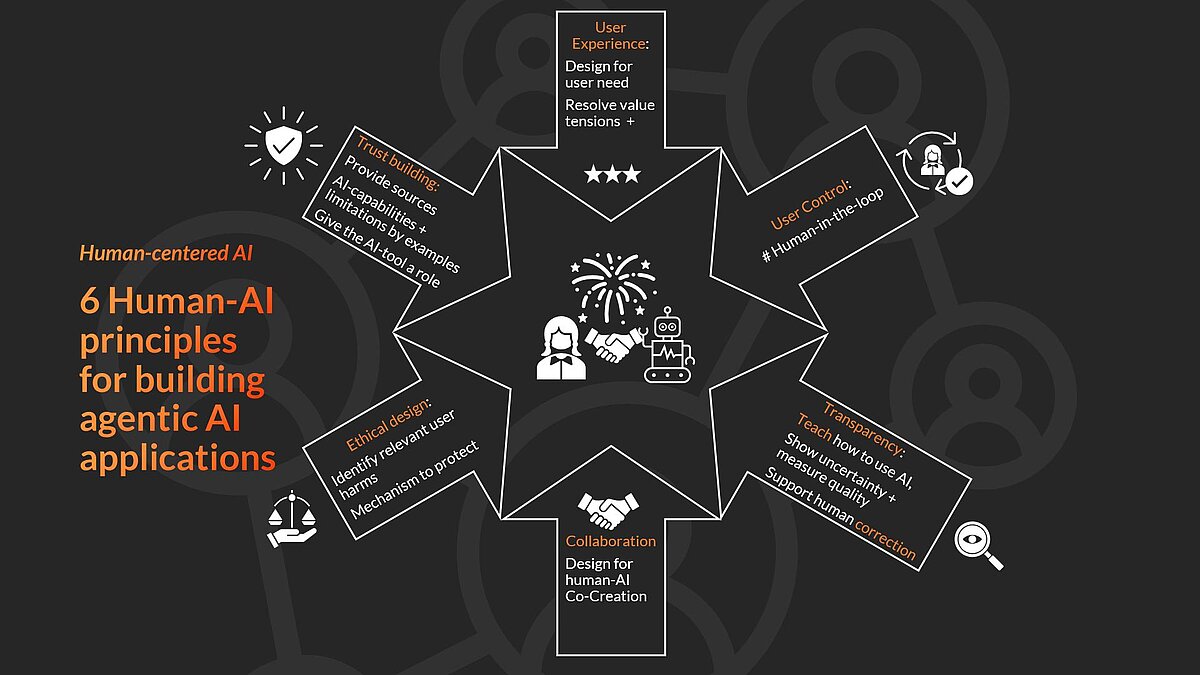
Design workflows where the human is the final decision-maker. The AI recommends; the employee deliberates and decides. This maintains human agency and ensures ethical judgment calls stay where they belong—with people.
Practical Steps for Managers Today
Alright, enough theory. What can you do this quarter? Let’s get practical.
| Area of Focus | Actionable Step | Why It Matters |
| Hiring & Onboarding | Include AI tool literacy and ethical use guidelines in training. Discuss “acceptable use” policies. | Sets expectations early. Frames AI as a tool with guardrails. |
| Performance Reviews | Audit any algorithmic scoring for bias. Always pair AI-generated metrics with qualitative, human manager feedback. | Prevents unfair penalization. Keeps performance holistic. |
| Daily Operations | Implement “AI-Free” brainstorming or deep work periods to combat dependency and spark creativity. | Preserves intrinsic human skills and innovative capacity. |
| Feedback Loop | Create a safe channel for employees to report weird AI suggestions, biases, or tool frustrations without fear. | You become the early warning system for systemic flaws. |
Honestly, the most important step is the simplest: talk to your team. How does the AI help them? Where does it hinder? Do they feel monitored or empowered? This ongoing dialogue is your single best source of data.
The Human Edge in an Algorithmic Age
In the rush to optimize, we can forget what people are uniquely good at. The messy, brilliant, irreplaceable stuff. Navigating office politics with emotional intelligence. Reading a client’s unspoken hesitation in a meeting. Exercising mercy or making a creative leap that defies all existing data.
Ethical management, then, is about fiercely protecting that human edge. It’s about using algorithmic oversight not to shrink people into efficient data points, but to amplify their uniquely human talents. To offload the tedious so they can focus on the transformative.
We’re building the bridge as we walk on it. There will be missteps—a biased output here, an over-reliance there. The goal isn’t perfection. It’s conscious, course-correcting progress. A workplace where technology serves people, not the other way around. Because in the end, the most ethical algorithm is one that knows when to defer to the human heart and mind in the loop.