

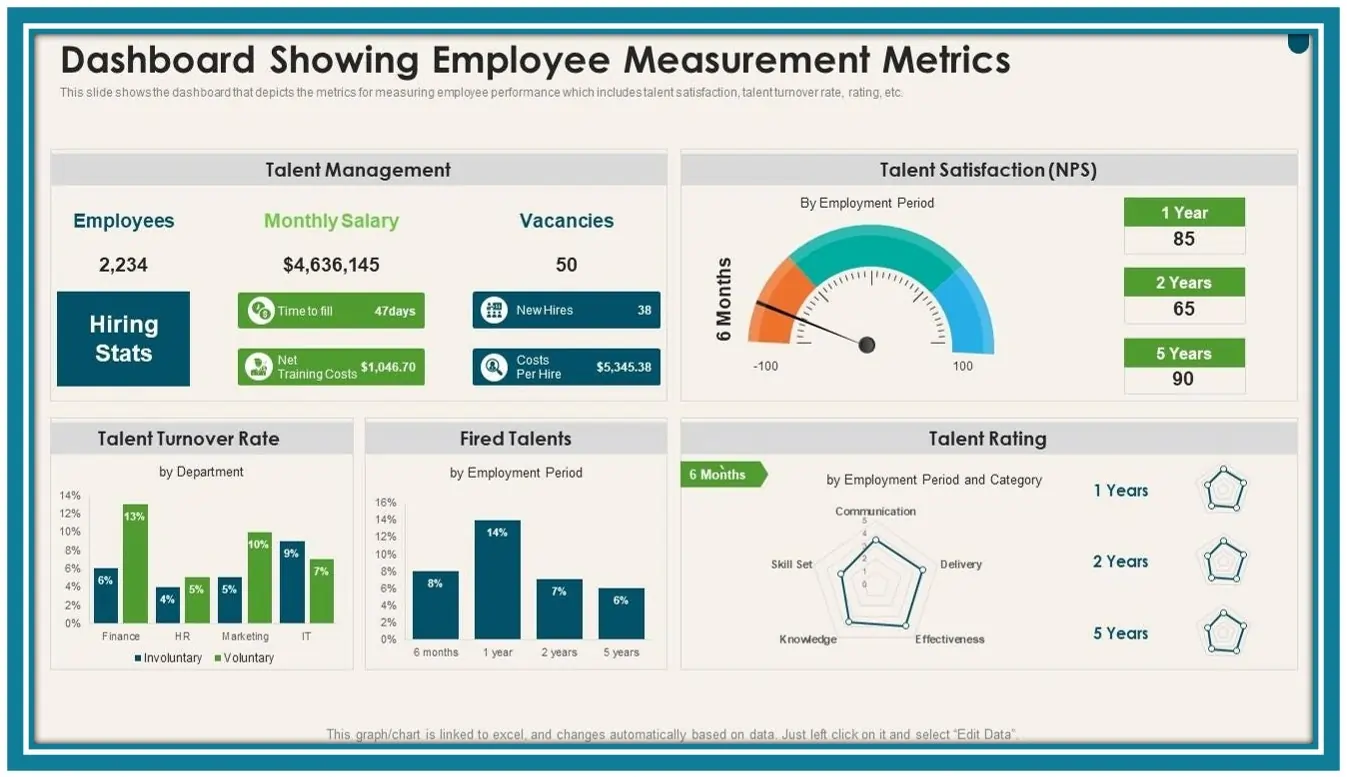
Let’s be honest. For years, managing employee well-being was a bit like trying to fix a leaky pipe in the dark. You knew there was a problem—you could hear the drip, feel the damp—but you were just guessing at the source. You’d throw solutions at the wall: a new yoga class, a fruit basket in the breakroom, maybe a “no emails after 6 PM” policy. Well-intentioned, sure. But often ineffective.
Here’s the deal. The modern workplace needs a better toolkit. One powered not by guesswork, but by insight. That’s where data-driven employee well-being strategies come in. It’s about turning on the lights. Seeing the whole plumbing system. And using that information to build a resilient, thriving workforce that doesn’t just avoid burnout, but actually flourishes.
Why Gut Feel Isn’t Enough for Burnout Prevention
Burnout is sneaky. It doesn’t always announce itself with a dramatic resignation. It’s the slow fade—the quiet disengagement, the dip in collaboration, the subtle increase in errors or missed deadlines. By the time someone says “I’m burned out,” the well-being crisis has been simmering for months.
Relying on manager intuition or annual surveys to catch this? It’s like checking for smoke once a year while the wiring smolders daily. A data-driven approach to employee wellness moves us from reactive to proactive. It finds the patterns in the noise. It tells us not just that people are struggling, but why, when, and who is most at risk.
The Data You Can Actually Use (It’s Not Just Surveys)
Okay, so data. That word can feel cold. Impersonal. But think of it as gathering clues to tell a human story. The goal isn’t surveillance; it’s understanding. And you’ve got more clues at your disposal than you might realize.
1. The Quantitative Pulse: Numbers That Narrate
This is your structured data. It’s measurable and trackable over time.
- Engagement & Productivity Metrics: Look at trends in project completion rates, code commit frequency, customer ticket resolution times. A steady decline can be a red flag. But—crucially—so can a sudden, unsustainable spike. Hyper-productivity is often a precursor to burnout.
- Work Pattern Analytics: Data from calendar systems and communication tools (with proper privacy guardrails, of course). Are back-to-back meetings the norm? Is “focus time” nonexistent? Is there rampant after-hours email activity? This reveals pressure points in the workday architecture.
- HR System Data: This is a goldmine. Track absenteeism, sick leave patterns, turnover rates (especially in specific teams), and even utilization rates of benefits like EAPs or mental health days. A spike in short-term leave in one department tells a story.
2. The Qualitative Voice: Stories Behind the Stats
Numbers need a voice. This data adds color and context.
- Pulse Surveys & Sentiment Analysis: Move beyond the annual survey. Short, frequent pulses on specific topics (workload, resources, psychological safety) get more honest, timely feedback. Use tools that analyze open-text responses for sentiment—are words like “overwhelmed,” “blocked,” or “anxious” trending up?
- Exit & Stay Interviews: Why do people really leave? And why do others stay? Conducting these with a focus on well-being and work environment, not just career path, uncovers systemic issues.
- Listening on the Ground: Encourage managers to share themes from 1:1s (anonymized and aggregated). What are people consistently talking about? The qualitative data from regular conversations is incredibly powerful.
Turning Insight into Action: A Practical Framework
Collecting data is one thing. Making it actionable is where the magic—and the challenge—happens. You need a framework. Let’s break it down.
Step 1: Identify & Correlate
Don’t look at data points in isolation. Cross-reference them. Does the team with the highest after-hours Slack activity also show declining pulse survey scores on “work-life balance”? Does the department with spiking sick leave have managers who schedule meetings during lunch breaks constantly? Correlation isn’t always causation, but it points your flashlight in the right direction.
Step 2: Diagnose & Prioritize
Now, diagnose the root cause. Is the issue workload (too much work), resources (not enough tools or people), or workflow (chaotic processes)? Use a simple matrix to prioritize. High-impact, high-feasibility fixes get tackled first.
| Data Signal | Possible Root Cause | Potential Action |
| High after-hours email, low “autonomy” survey scores | Micromanagement, lack of clarity | Manager training on delegation, clear outcome-based goals |
| Low PTO usage, high presenteeism | Cultural stigma around disconnecting | Leadership modeling time off, “right to disconnect” policy |
| Spike in errors in Team A | Cognitive overload, context switching | Meeting-free days, project management tool overhaul |
Step 3: Intervene, Measure, Iterate
This is the key. Your intervention should be a targeted experiment, not a blanket mandate. For example, if data shows meeting overload is a primary burnout driver in one division, pilot a “No Internal Meetings Wednesday” policy just there. Then measure. Did focus time increase? Did project velocity improve? Did sentiment scores on “manageable workload” budge?
This iterative, data-informed loop turns well-being from an HR program into a core business process. You’re not just throwing perks at the wall; you’re engineering a better system.
The Human Guardrails: Ethics, Privacy, and Trust
We have to address the elephant in the room. Using data for employee well-being can feel… intrusive. And if done poorly, it can destroy trust. So, non-negotiable guardrails are essential.
- Transparency is Everything: Be crystal clear about what data is being collected, how it’s aggregated (always anonymized for insights!), and exactly how it will be used to improve the work environment. No secrets.
- Focus on Groups, Not Individuals: The goal is to identify trends and fix systemic problems—not to monitor or judge individual employees. Data should be aggregated to a team or department level to protect privacy.
- Co-create Solutions: When data reveals a problem in a team, involve that team in designing the solution. They know the nuances. This builds buy-in and ensures your fix isn’t tone-deaf.
Honestly, without these guardrails, your data-driven strategy will backfire. Spectacularly.
The Bottom Line: Well-Being as a Leading Indicator
For too long, employee well-being was treated as a soft, trailing metric—a cost center. A data-driven approach flips that script. It shows that well-being is actually a leading indicator of performance, innovation, and retention. It’s the soil in which everything else grows.
The companies that will win the war for talent—and just build better, more sustainable businesses—are the ones that stop guessing. They listen to the data. They see the whole story. And they have the courage to change the work, not just bandage the worker.
It’s not about building a panopticon. It’s about finally turning on the lights.