

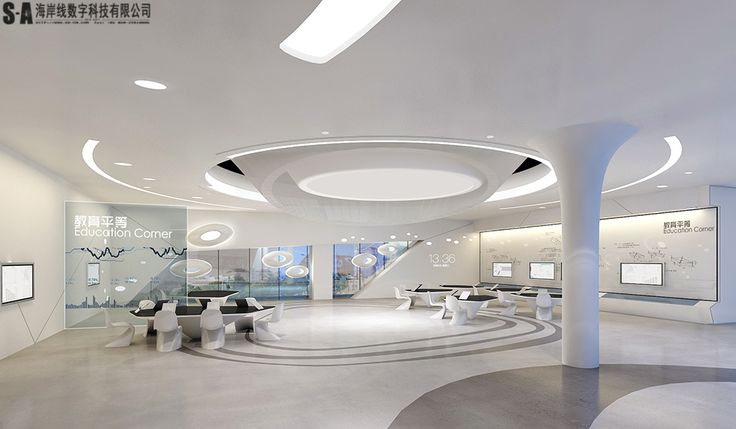
Think of it like a “reset button” room. Attendees pop in for 10–15 minutes, regulate their nervous system, and return. That’s not coddling — it’s smart event design.
2. Offer Sensory Kits and Maps
Some shows now hand out sensory kits at registration: noise-canceling headphones, fidget tools, sunglasses, and a simple map marking loud zones, quiet zones, and restrooms. Small gesture, massive impact.
You can also publish a “sensory guide” online before the event. Include details like expected noise levels, lighting conditions, and crowd density at different times. Predictability reduces anxiety — that’s neuroscience 101.
3. Train Staff on Neurodiversity
Here’s a scenario: an attendee avoids eye contact, speaks in short bursts, and seems “rude.” A poorly trained staffer might escalate. A trained one recognizes possible autistic communication styles and responds with patience.
Training doesn’t need to be a semester-long course. A one-hour session covering communication differences, sensory needs, and de-escalation basics goes a long way.
4. Rethink the Physical Layout
Wide aisles. Clear sightlines. Designated “low-stimulation” hours (like the first hour of the day). These aren’t radical ideas — they’re just good crowd management that happens to help neurodivergent folks too.
And please… no more booths with strobing lights directly facing the walkway. Just don’t.
Quick Reference: Compliance Checklist
| Area | Action Item | Priority |
|---|---|---|
| Sensory | Provide quiet rooms with soundproofing | High |
| Communication | Offer written/visual schedules | High |
| Staff | Neurodiversity awareness training | Medium |
| Environment | Limit flashing lights and loud loops | High |
| Pre-event | Publish sensory guides online | Medium |
| On-site | Distribute sensory kits at registration | Medium |
The Bottom Line: Accessibility Is a Spectrum
Neurodivergence isn’t a monolith. An autistic attendee’s needs differ from someone with ADHD, and both differ from someone with PTSD or a traumatic brain injury. There’s no single checklist that covers everyone.
But that’s okay. The goal isn’t perfection — it’s genuine effort and flexibility. Ask attendees what they need. Survey them after the event. Iterate. That’s how you build a trade show that doesn’t just comply with accessibility laws, but actually welcomes every brain in the room.
Because here’s the truth: when you design for the most sensitive nervous systems, you end up designing a better experience for everyone. Calmer. Clearer. More human.
- Soundproofing or at least heavy acoustic panels
- Soft, dimmable lighting
- Seating that allows for lying down or curling up
- Clear signage and easy, low-traffic access
Think of it like a “reset button” room. Attendees pop in for 10–15 minutes, regulate their nervous system, and return. That’s not coddling — it’s smart event design.
2. Offer Sensory Kits and Maps
Some shows now hand out sensory kits at registration: noise-canceling headphones, fidget tools, sunglasses, and a simple map marking loud zones, quiet zones, and restrooms. Small gesture, massive impact.
You can also publish a “sensory guide” online before the event. Include details like expected noise levels, lighting conditions, and crowd density at different times. Predictability reduces anxiety — that’s neuroscience 101.
3. Train Staff on Neurodiversity
Here’s a scenario: an attendee avoids eye contact, speaks in short bursts, and seems “rude.” A poorly trained staffer might escalate. A trained one recognizes possible autistic communication styles and responds with patience.
Training doesn’t need to be a semester-long course. A one-hour session covering communication differences, sensory needs, and de-escalation basics goes a long way.
4. Rethink the Physical Layout
Wide aisles. Clear sightlines. Designated “low-stimulation” hours (like the first hour of the day). These aren’t radical ideas — they’re just good crowd management that happens to help neurodivergent folks too.
And please… no more booths with strobing lights directly facing the walkway. Just don’t.
Quick Reference: Compliance Checklist
| Area | Action Item | Priority |
|---|---|---|
| Sensory | Provide quiet rooms with soundproofing | High |
| Communication | Offer written/visual schedules | High |
| Staff | Neurodiversity awareness training | Medium |
| Environment | Limit flashing lights and loud loops | High |
| Pre-event | Publish sensory guides online | Medium |
| On-site | Distribute sensory kits at registration | Medium |
The Bottom Line: Accessibility Is a Spectrum
Neurodivergence isn’t a monolith. An autistic attendee’s needs differ from someone with ADHD, and both differ from someone with PTSD or a traumatic brain injury. There’s no single checklist that covers everyone.
But that’s okay. The goal isn’t perfection — it’s genuine effort and flexibility. Ask attendees what they need. Survey them after the event. Iterate. That’s how you build a trade show that doesn’t just comply with accessibility laws, but actually welcomes every brain in the room.
Because here’s the truth: when you design for the most sensitive nervous systems, you end up designing a better experience for everyone. Calmer. Clearer. More human.
Walking into a trade show floor can feel like stepping into a casino at midnight. Lights flashing. Speakers blaring. Thousands of conversations overlapping into a wall of noise. For many attendees, that’s exciting. For others — particularly the neurodivergent community — it’s a fast track to sensory overload and a quick exit.
Here’s the deal: accessibility conversations at events have traditionally focused on wheelchair ramps, braille signage, and ASL interpreters. All essential, sure. But neurodivergent attendees — people with autism, ADHD, dyslexia, sensory processing differences, and more — often fall through the cracks. And with roughly 15–20% of the global population identifying as neurodivergent, that’s not a niche audience. It’s a significant chunk of your attendee base.
So let’s talk about what trade show accessibility compliance actually looks like when neurodivergence enters the room.
Why Neurodivergent Accessibility Is a Compliance Issue, Not Just a Courtesy
In the United States, the Americans with Disabilities Act (ADA) covers cognitive and neurological disabilities, though enforcement in event settings is… well, murky. The UK’s Equality Act 2010 is broader. And in many jurisdictions, “reasonable accommodations” legally extend to sensory and cognitive needs.
But honestly? Compliance is the floor, not the ceiling. If your trade show is technically compliant but still feels like a sensory assault course, you’ve missed the point.
Beyond legal boxes to tick, there’s a real business case. Neurodivergent attendees often include some of the most detail-oriented, pattern-recognizing, innovative people in any industry. Engineers, analysts, creatives. Pushing them away with poor event design is, frankly, a self-inflicted wound.
Common Sensory Triggers on the Trade Show Floor
Before we get into solutions, let’s name the culprits. Trade shows are practically engineered — unintentionally — to trigger sensory overload.
- Noise: Booths with looping videos, live demos, and competing sound systems.
- Lighting: Flickering LEDs, harsh fluorescents, strobe effects.
- Crowds: Unpredictable movement, tight aisles, no clear “escape routes.”
- Smells: A hundred colognes mixing with carpet glue and popcorn.
- Cognitive load: Endless small talk, rapid-fire pitches, no downtime.
For someone with ADHD, that’s distraction on steroids. For an autistic attendee, it might be physically painful. For someone with anxiety, it’s a countdown to a panic attack.
Practical Compliance Strategies That Actually Work
1. Design Quiet Zones — And Make Them Real
A “quiet room” that’s just a curtained-off corner next to the main stage isn’t quiet. It’s a suggestion. Real quiet zones need:
- Soundproofing or at least heavy acoustic panels
- Soft, dimmable lighting
- Seating that allows for lying down or curling up
- Clear signage and easy, low-traffic access
Think of it like a “reset button” room. Attendees pop in for 10–15 minutes, regulate their nervous system, and return. That’s not coddling — it’s smart event design.
2. Offer Sensory Kits and Maps
Some shows now hand out sensory kits at registration: noise-canceling headphones, fidget tools, sunglasses, and a simple map marking loud zones, quiet zones, and restrooms. Small gesture, massive impact.
You can also publish a “sensory guide” online before the event. Include details like expected noise levels, lighting conditions, and crowd density at different times. Predictability reduces anxiety — that’s neuroscience 101.
3. Train Staff on Neurodiversity
Here’s a scenario: an attendee avoids eye contact, speaks in short bursts, and seems “rude.” A poorly trained staffer might escalate. A trained one recognizes possible autistic communication styles and responds with patience.
Training doesn’t need to be a semester-long course. A one-hour session covering communication differences, sensory needs, and de-escalation basics goes a long way.
4. Rethink the Physical Layout
Wide aisles. Clear sightlines. Designated “low-stimulation” hours (like the first hour of the day). These aren’t radical ideas — they’re just good crowd management that happens to help neurodivergent folks too.
And please… no more booths with strobing lights directly facing the walkway. Just don’t.
Quick Reference: Compliance Checklist
| Area | Action Item | Priority |
|---|---|---|
| Sensory | Provide quiet rooms with soundproofing | High |
| Communication | Offer written/visual schedules | High |
| Staff | Neurodiversity awareness training | Medium |
| Environment | Limit flashing lights and loud loops | High |
| Pre-event | Publish sensory guides online | Medium |
| On-site | Distribute sensory kits at registration | Medium |
The Bottom Line: Accessibility Is a Spectrum
Neurodivergence isn’t a monolith. An autistic attendee’s needs differ from someone with ADHD, and both differ from someone with PTSD or a traumatic brain injury. There’s no single checklist that covers everyone.
But that’s okay. The goal isn’t perfection — it’s genuine effort and flexibility. Ask attendees what they need. Survey them after the event. Iterate. That’s how you build a trade show that doesn’t just comply with accessibility laws, but actually welcomes every brain in the room.
Because here’s the truth: when you design for the most sensitive nervous systems, you end up designing a better experience for everyone. Calmer. Clearer. More human.