

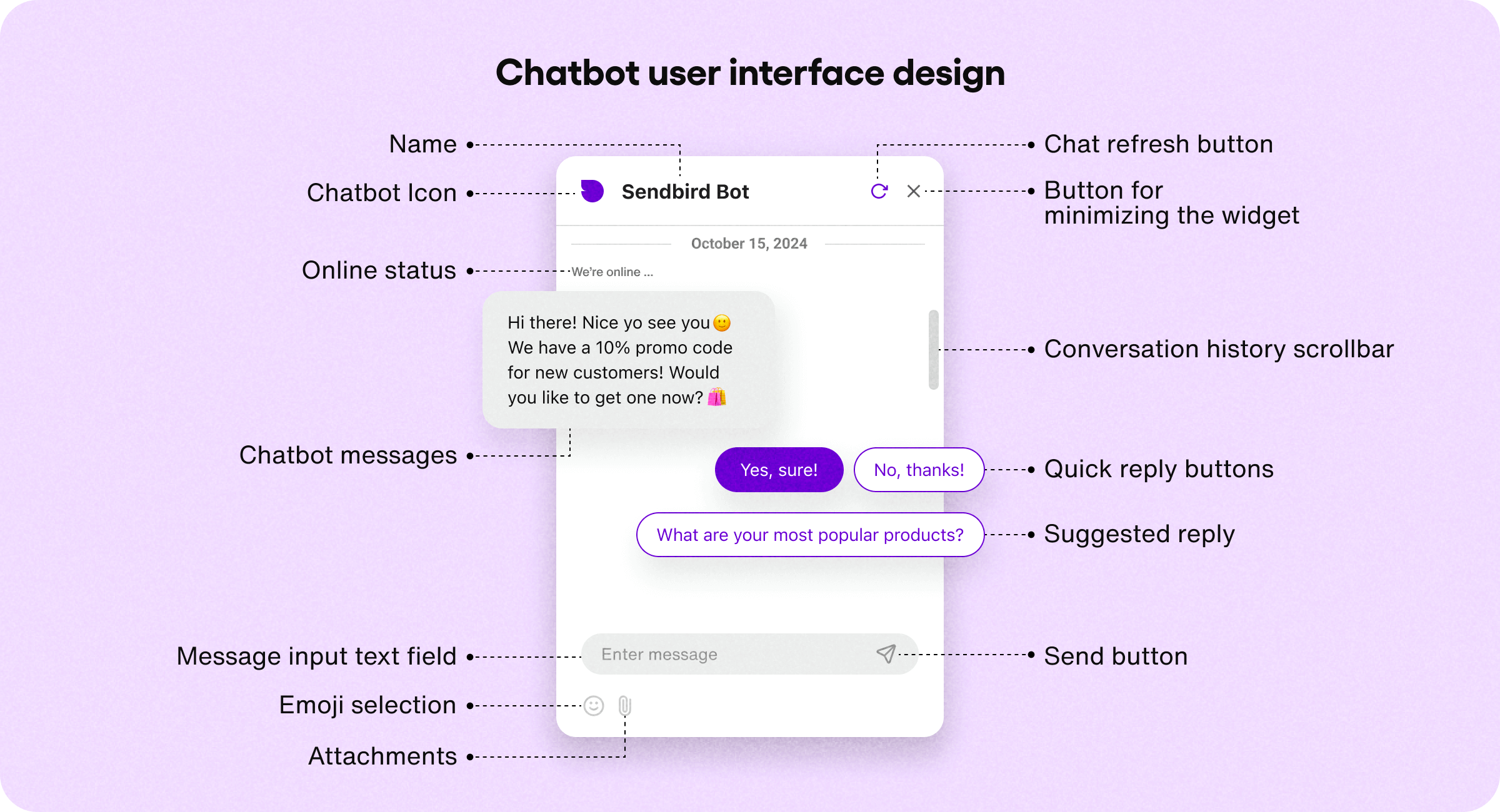
You know that feeling when you ask a chatbot a question and the reply is just…off? It might give you the right answer, technically, but it feels like talking to a manual. Cold. Impersonal. A bit awkward, honestly.
That’s the sound of a missing brand voice. As conversational technology—from smart speakers to customer service bots—becomes the front door to your company, its personality isn’t a nice-to-have. It’s the entire experience. So, how do you build a voice for something that isn’t human, but needs to connect like it is?
Why Your AI’s Voice is Your Brand’s New Handshake
Think about it. For decades, brand voice lived in taglines, ad copy, and maybe a friendly support agent. Now, it’s a real-time, interactive dialogue. Your AI interface voice is the primary touchpoint. It shapes perception more directly than any billboard ever could.
A generic, robotic tone tells users you didn’t care enough to personalize it. But a distinct, appropriate voice? It builds trust. It reduces frustration. It can even turn a simple transaction into a… well, into a pleasant moment. That’s the goal, anyway.
The Core Ingredients of a Conversational Brand Voice
Crafting this isn’t just writing clever lines. It’s architectural. You’re building a personality framework that can handle millions of unique conversations. Let’s break down the ingredients.
1. Personality Dimensions: Beyond “Friendly”
“Make it friendly” is the starting point, not the finish line. Is your brand a knowledgeable mentor? A witty sidekick? A efficient concierge? You need to define traits, almost like a character bio.
| Trait | What it Sounds Like | What to Avoid |
| Empathetic Guide | “I understand that’s frustrating. Let’s fix this step-by-step.” | Dismissive or overly technical language. |
| Witty Assistant | “Found that for you! That was like finding a needle in a digital haystack.” | Sarcasm or jokes that could fall flat. |
| Direct Expert | “Here’s the status of your order. The next step is delivery.” | Unnecessary filler words or ambiguity. |
See the difference? The tone directly serves the function and the brand.
2. Adaptability & Context is King (or Queen)
A rigid voice is a broken voice. Your conversational AI must read the room. The voice for a user reporting a lost package should differ from one asking for a fun dinner recipe. This is where context-aware dialogue design comes in.
It’s about linguistic mirroring, to a degree. If a user is terse, the AI can be more efficient. If they’re chatty, maybe it can afford a slight, appropriate flourish. The key is maintaining core personality while adjusting emotional temperature.
3. The Vocabulary & Rhythm of Interaction
This is the nitty-gritty. Do you use contractions? (“You’re” vs. “You are”)? Do you allow for colloquialisms? (“Got it” vs. “I have understood your request”). What’s your error-handling personality? “I apologize for the inconvenience” can feel canned. Maybe “Hmm, I didn’t quite catch that. Could you rephrase it?” fits better.
The rhythm matters too. Short sentences. Clear pacing. The occasional strategic fragment for emphasis. It should feel natural to read aloud—because often, it will be heard.
Avoiding the Uncanny Valley of Conversation
Here’s a major pitfall. In trying to sound human, it’s easy to slip into the “uncanny valley” of language—where the AI feels like it’s pretending to be something it’s not. Users see right through it.
Honestly, it’s better to be a clearly helpful AI than a bad impersonation of a human. Transparency builds trust. A simple “As an AI, I can’t do that, but I can connect you to a human agent” is far better than a floundering, fake attempt to solve an impossible request.
The Practical Blueprint: Building the Voice
Okay, so how do you actually do this? Let’s map it out.
Step 1: Audit & Anchor
Start with your existing brand guidelines. What are your core values? Then, listen. Analyze real customer service conversations, reviews, and social media interactions. How do your customers already talk? Your AI voice should be a reflection of your brand, but also a bridge to your audience’s language.
Step 2: Create a Conversational Style Guide
This is your bible. It goes beyond a traditional style guide. It needs examples, lots of them.
- Greetings & Sign-offs: “Hey there!” vs. “Hello. How may I assist you?”
- Error States: Scripts for misunderstandings, lack of information, or technical glitches.
- Success States: How to celebrate a solved problem without being cheesy.
- Boundaries: Clear rules on what the AI will and won’t engage with (politics, offensive language, etc.).
Step 3: Write, Test, Listen, Refine
This is the iterative heart of the process. Write sample dialogues for every conceivable scenario. Then, test them with real people. Not just internally—get actual users to interact with prototypes.
Where do they smirk? Where do they pause, confused? Where do they feel heard? That feedback is pure gold. You’ll find phrases that looked great on paper but sound alien when spoken. Tweak them.
The Future is Conversational (and Full of Personality)
As AI gets more sophisticated, the bar for personality rises. The brands that win won’t just have functional bots; they’ll have consistent, engaging, and appropriately human-like personalities across every conversational interface. From your website chatbot to your voice-app skill, the thread of your brand voice should be unmistakable.
In the end, developing a brand voice for AI isn’t about teaching a machine to talk. It’s about thoughtfully extending your company’s heart and mind into a new, dynamic medium. It’s about ensuring that in every ping, every spoken reply, and every text bubble, your customers feel like they’re talking to you.
And that connection—that’s the real piece of technology we’re all trying to build.