

Let’s be honest. The word “sustainability” has lost its teeth. For decades, it’s been the north star for conscientious business—do less harm, minimize your footprint, try to be “net zero.” But here’s the deal: in a world of climate disruption, social fractures, and supply chain shocks, just trying to be less bad isn’t a strategy for survival. It’s a recipe for irrelevance.
That’s where regenerative business models come in. Think of it as the evolution. Instead of just taking less from the world, a regenerative business actively gives more back. It heals ecosystems, enriches communities, and builds systems that are, well, anti-fragile. The goal isn’t just to endure the next crisis, but to emerge from it stronger. It’s about designing for long-term resilience from the ground up.
What Makes a Business Model Truly Regenerative?
It’s more than a fancy recycling program or a carbon offset purchase. A regenerative model fundamentally rethinks value creation. It operates on a core principle: the health of the business is inextricably linked to the health of the systems it depends on—natural, social, and economic.
You know, it’s like the difference between a monoculture farm and a thriving forest. The farm extracts until the soil is dead. The forest, though? It creates its own soil, manages its own water, supports incredible biodiversity, and gets more robust over time. That’s the mindset shift.
The Core Pillars of Regenerative Design
Implementing this isn’t a one-size-fits-all checklist. But it does rest on a few key pillars:
- Systems Thinking: You can’t optimize one part in isolation. A regenerative business sees the whole picture—how sourcing affects soil health, how wages affect community stability, how product design affects end-of-life cycles. Everything is connected.
- Net-Positive Impact: The metric shifts from “reduced emissions” to “carbon drawn down.” From “less waste” to “nutrients returned to the biosphere.” From “fair wages” to “thriving local economies.” The aim is to leave each system better than you found it.
- Adaptive & Resilient: These models are built for change. They favor diversity (in supply, in revenue streams, in skills), decentralization, and feedback loops. They learn and evolve, just like a natural ecosystem does.
The Practical Shift: From Theory to Operational Reality
Okay, so it sounds great in principle. But how do you actually do it? The implementation is where most stumble. It’s a journey, not a flip you switch. Let’s dive into some concrete areas.
Rethinking Your Supply Chain as a Value Chain
Forget squeezing suppliers for the lowest cost. A regenerative approach partners with them for the highest shared value. This might mean:
- Co-investing in regenerative agriculture with farmers to secure healthier soil (which means more resilient crops) for decades.
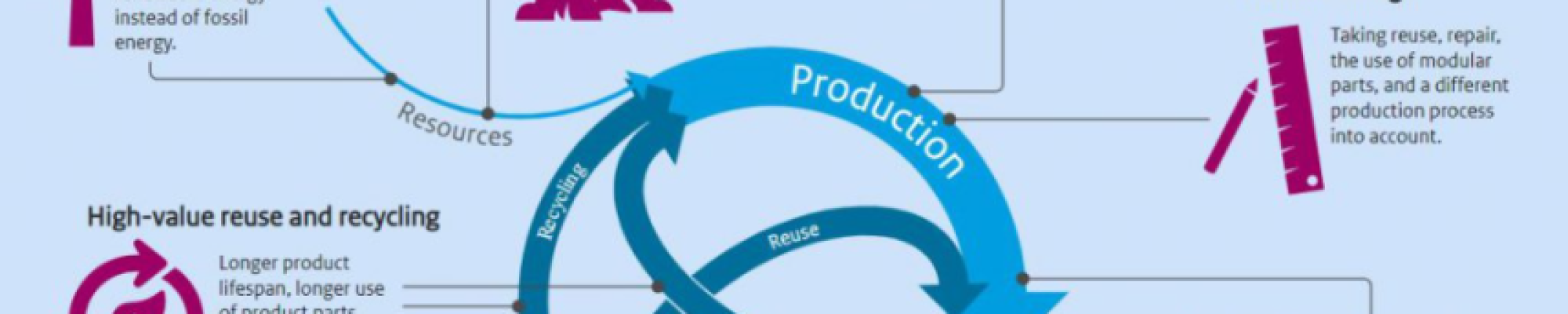
- Designing for circularity from the start—using materials that can be easily disassembled, repaired, or composted.
- Prioritizing local and regional networks to reduce transport emissions and buffer against global disruptions. We saw how fragile long chains are during the pandemic, right?
Redefining “Success” with New Metrics
You manage what you measure. If your KPIs are solely quarterly profit and shareholder return, you’ll never build a regenerative business. You need to integrate new dashboards.
| Traditional Metric | Regenerative Metric (Example) |
| Cost of Goods Sold (COGS) | Ecosystem Services Enhanced |
| Employee Turnover Rate | Employee Well-being & Skill Growth |
| Carbon Emissions (Scope 1 & 2) | Net Carbon Drawdown (Scope 1, 2, & 3+) |
| Customer Acquisition Cost | Customer Loyalty & Product Lifespan |
It’s messy. These new metrics are harder to quantify. But they tell the real story of your business’s health and its capacity for long-term resilience.
The Inevitable Hurdles (And How to Jump Them)
Let’s not sugarcoat this. The path is fraught with challenges. Upfront costs can be higher. It requires deep patience—regenerating soil or community trust doesn’t happen in a fiscal year. And honestly, you’ll face internal resistance from teams wired for short-term efficiency.
Here’s a way to start: pick one lever. One product line, one supplier relationship, one community initiative. Go deep there. Prove the concept—not just in feel-good terms, but in risk mitigation, brand loyalty, and eventually, cost savings. Build your case from a pilot project’s success.
Why Resilience Is the Ultimate Competitive Advantage
This isn’t just altruism. In fact, it’s perhaps the most pragmatic strategy for the 21st century. A regenerative business model is a hedge against volatility.
- Resource Security: If your business depends on healthy soil, clean water, and stable communities, investing in them is the opposite of a cost—it’s an insurance policy.
- Talent Attraction & Retention: The best talent, especially younger generations, wants purpose. They want to work for an organization that’s part of the solution.
- Customer Trust: Greenwashing is easily exposed. Authentic, embedded regeneration builds a trust capital that no marketing budget can buy.
- Innovation Driver: Constraints breed creativity. Designing out waste, mimicking nature’s cycles—these challenges spark genuine innovation.
Sure, the old, extractive model might show a slightly better margin this quarter. But it’s burning through its own foundations. It’s borrowing from the future. A regenerative business, in contrast, is depositing into the future. It’s building a bank account of ecological health, social goodwill, and systemic knowledge that compounds over time.
The business landscape is shifting under our feet. The storms—literal and economic—are getting stronger. You can build a taller wall, or you can build a sturdier ship that learns to sail in the new weather. Implementing a regenerative business model is about choosing the ship. It’s about deciding that your legacy won’t be what you took, but what you left behind—and the resilient, thriving enterprise that grew from that choice.