

Remember the old marketing funnel? That tidy, predictable path from awareness to purchase? It was neat. Comforting, even. You could map out campaigns like a train schedule. But here’s the deal—that train has left the station, and it’s not coming back.
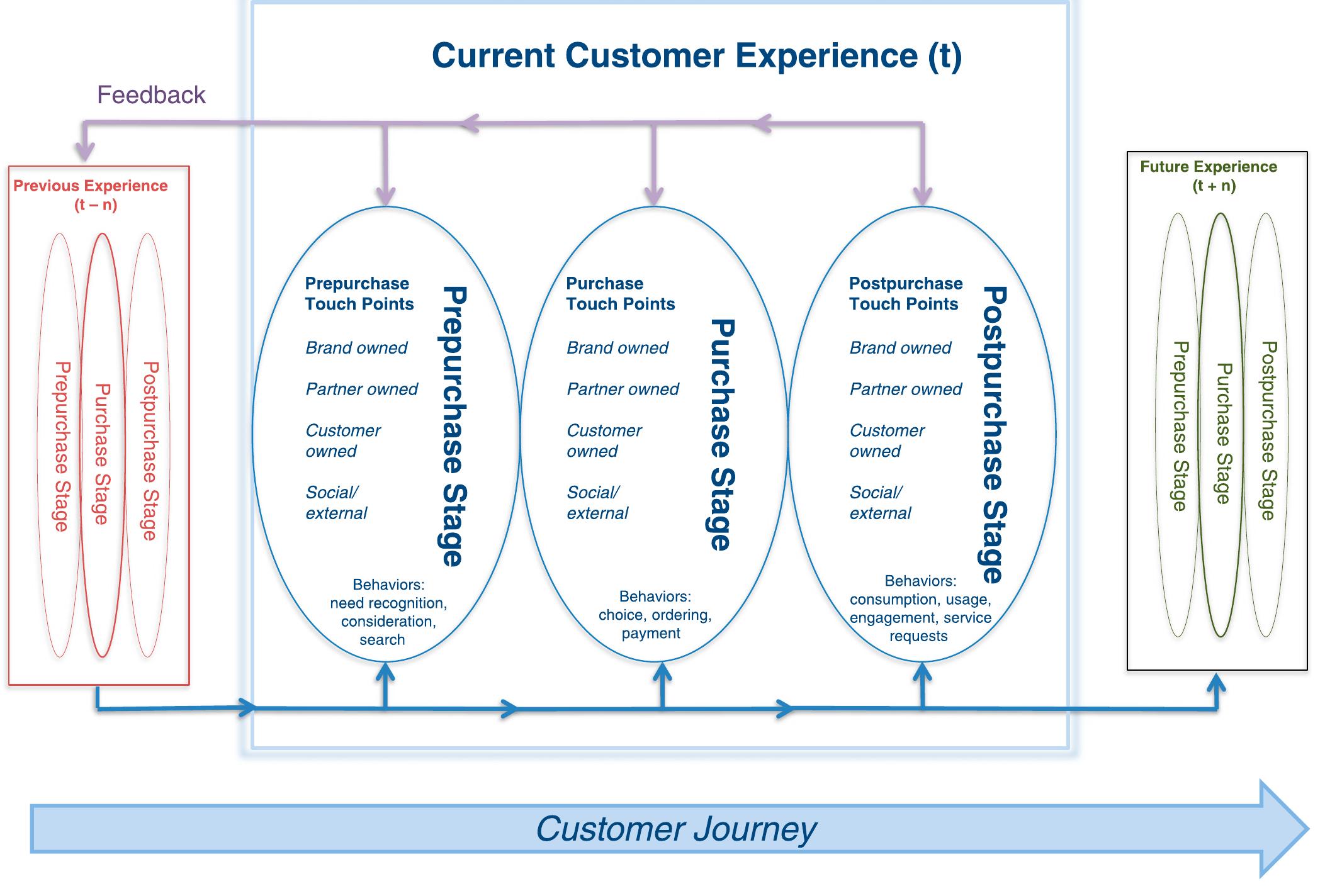
Today’s customer journey is more like a choose-your-own-adventure book crossed with a pinball machine. A prospect might see a TikTok review, sign up for your newsletter, then ghost you for three months, only to pop up again asking for a demo after reading an in-depth industry report. They loop back, jump stages, and gather information from a dozen sources before making a move.
This is the non-linear, multi-stage customer life cycle. And honestly, if your marketing strategy isn’t built for this chaos, you’re speaking a language no one hears anymore. Let’s dive into what this shift means and, more importantly, how you can adapt.
Why the Funnel Collapsed (And What Replaced It)
It wasn’t one thing. It was everything. The sheer volume of information available. The power shift to the buyer. The fact that a single bad review on Reddit can outweigh a beautifully crafted product page. Customers now own their journey—they research in private, compare in silence, and enter the conversation only when they’re good and ready.
So, what model makes sense now? Think of it as a series of overlapping loops or orbits, not a straight line. A customer might be in an “evaluation” loop for weeks, bouncing between your content, a competitor’s webinar, and peer recommendations, before entering a “purchase” loop that itself has multiple entry points. The goal isn’t to force them down a chute, but to be present, helpful, and consistent across every potential touchpoint they might… well, touch.
The Hallmarks of a Non-Linear Journey
You know it when you see it. A few tell-tale signs:
- Multiple Entry & Exit Points: A sale might start on LinkedIn, not Google Ads. A loyal customer might leave after a support hiccup, then return six months later.
- The “Silent” Researcher: They’ve consumed 70% of your content before ever filling out a form. Your analytics show engagement, but your leads are quiet.
- Stage-Skipping & Backtracking: Someone might go from awareness straight to purchase decision, completely bypassing your “consideration” content. Or they might buy, then need re-education, pushing them back to an earlier stage.
Building a Marketing Strategy for the Maze
Okay, so the path is a maze. Your job is to be the helpful guide with a map (and maybe some breadcrumbs). Here’s how to adapt your core marketing tactics.
1. Map the Actual Journey, Not the Ideal One
Forget theory. Use data. Look at your analytics—touchpoint reports, path analysis, even customer surveys. Where do people actually go? What content clusters together? You’ll likely see a spiderweb, not a straight line. That web is your new blueprint. Identify the common nexus points, those moments where journeys converge, and focus your energy there.
2. Create Content for Intent, Not Just “Stages”
Instead of creating an “awareness” blog post and a “decision” case study, think about the customer’s intent in a given moment. Are they trying to solve a specific, urgent problem? That’s high-intent, regardless of where they are in some theoretical cycle. Are they exploring broader industry trends? That’s lower intent, but equally valuable for building trust.
Your content library should be a connected ecosystem, allowing someone to easily jump from a tactical “how-to” (solving a micro-problem) to a strategic vision doc (exploring macro-trends) and back again.
3. Orchestrate Contextual, Not Sequential, Nurturing
The classic email drip campaign that goes 1, 2, 3, 4… it’s broken. If someone downloads a technical whitepaper after already attending a demo, they shouldn’t get an email saying “Welcome to the journey!”
You need dynamic nurture streams that react to behavior. Use a robust CRM and marketing automation platform to trigger communications based on real-time activity. Did they just visit your pricing page three times? That’s a signal. Did they re-watch an integration tutorial? That’s another. Connect the dots.
| Old Linear Nurture | New Contextual Nurture |
| Fixed 7-email sequence | Dynamic path based on clicks, page views, and engagement score |
| Ignores known customer data | Uses firmographic & behavioral data to personalize next step |
| Goal: Move to next stage | Goal: Provide the most relevant content/offer right now |
4. Break Down Your Data Silos (Seriously, This Time)
This is the big one. If your ad platform, your email tool, your CRM, and your support software don’t talk, you’re blindfolded in that maze. A unified customer view is non-negotiable. You need to see that the person asking a support question is the same one who ignored your last five emails but engaged with your Instagram ad yesterday. That insight changes everything—how you respond, what you offer, the tone you use.
The New Metrics That Actually Matter
When the journey is a web, last-click attribution is a fairy tale. You need a broader dashboard.
- Time to Conversion: But analyzed by entry point. Does a social referral take longer but yield a higher lifetime value than paid search?
- Content Engagement Depth: Not just page views, but scroll depth, video completion, and content hub navigation paths.
- Touchpoint Frequency: How many interactions, across how many channels, does it typically take to create a customer? This number will likely surprise you.
- Customer Effort Score (CES): How easy is it for them to find what they need, when they need it, regardless of where they jump in?
Look, it’s about measuring resilience and presence, not just pushing people through a gate.
Embracing the Chaos as an Opportunity
This all might feel messy. It is. But in that mess is a massive opportunity to build deeper, more authentic relationships. When you stop trying to herd customers and start empowering their unique journey, you shift from being a vendor to being a valued resource. You build loyalty not through a perfect sales pitch, but through consistent, context-aware helpfulness.
The non-linear life cycle isn’t a trend—it’s the new reality of how people make decisions. It demands more from marketers: more flexibility, more empathy, and a genuine commitment to meeting the customer exactly where they are, even if where they are keeps changing. Honestly, that’s a more interesting job, don’t you think? The map is gone. It’s time to learn the territory.