

The energy of a live event is electric. The handshakes, the exchanged business cards, the buzz of conversation. But behind that tangible excitement, there’s another, quieter flow: the digital stream of attendee data. Every badge scan, app login, and session check-in is a piece of personal information.
And here’s the deal—collecting that data isn’t just a logistical task anymore. It’s a significant legal and ethical responsibility. Get it right, and you build immense trust. Get it wrong, and you risk hefty fines and a shattered reputation. Let’s dive into how to navigate this complex landscape.
Why Compliance Isn’t Just a “Checklist” Anymore
Think of data privacy laws like building codes. You wouldn’t construct a venue without following safety regulations, right? Well, your data collection is the digital structure you’re building. Regulations like the GDPR in Europe, the CCPA/CPRA in California, and a growing patchwork of global laws set the code.
Honestly, it’s about more than avoiding penalties. It’s about respect. Attendees are becoming savvier. They want to know what you’re collecting, why, and how it benefits them. Transparency is your new currency.
The Core Principles: Your Foundation for Compliant Lead Capture
Before you even choose a tracking technology, anchor your strategy in these principles. They’re universal, no matter your location.
Lawfulness, Fairness, and Transparency
You must have a valid reason (or “lawful basis”) for processing data. For lead gen, this is often “consent” or “legitimate interest.” But be careful—legitimate interest is nuanced. Sending marketing emails post-event? You’ll likely need clear, explicit consent for that.
Transparency means no hidden tricks. Your privacy notice must be easy to find and understand before data is collected.
Data Minimization and Purpose Limitation
This is a big one. Only collect data you absolutely need. Do you really need a birthdate to let someone into a webinar? Probably not. And you can only use the data for the purpose you stated. Capturing an email for a session handout doesn’t mean you can add them to your monthly newsletter. That’s a classic misstep.
Attendee Rights and Access
Individuals have rights: to access their data, correct it, delete it, and even take it with them (data portability). You need a process to handle these requests—often within a tight 30-day window.
The Nuts and Bolts: Implementing Compliance at Your Event
Okay, principles are great. But how does this look on the ground? Let’s get practical.
1. The Registration & Consent Gateway
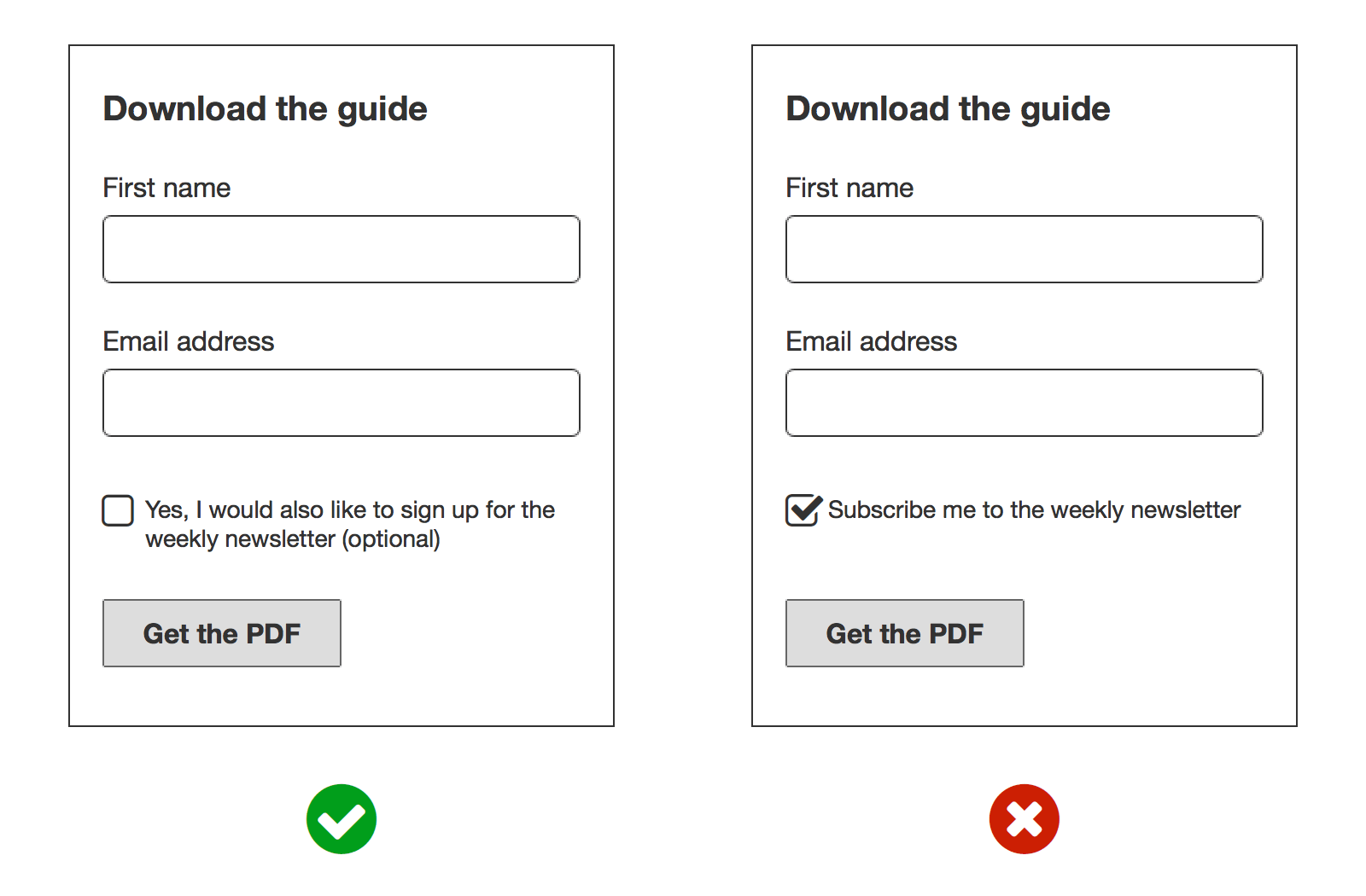
This is your first—and most critical—touchpoint. Your registration form must include:
- Granular Consent Options: Use separate, unchecked checkboxes. “Yes, I want the event guide” is one box. “Yes, I agree to receive marketing from sponsors” is another. No pre-ticked boxes allowed.
- Clear Privacy Notice Link: Not a tiny link in grey text. Make it obvious.
- Plain Language: Explain what they’re signing up for in human terms.
2. On-Site Tracking: Badge Scans, Beacons, and Apps
This is where things get visible. An attendee’s movements and interactions are personal data.
Badge Scans: When an exhibitor scans a badge, they should verbally state what the scan is for. Is it to enter a prize draw? To receive a whitepaper? The attendee needs to know in the moment. You, as the organizer, are responsible for educating your exhibitors on these rules.
Wi-Fi & Location Tracking: If you use Wi-Fi logins or Bluetooth beacons to track foot traffic, you must disclose this. A sign at registration saying “By connecting to event Wi-Fi, you agree to anonymized location analytics” is a good start, but it should also be in your privacy policy.
3. Post-Event Data Handling
The event’s over, but your responsibility isn’t. You need a clear data retention policy. How long will you keep lead data? A year? Two? Define it, stick to it, and then securely delete it. Also, ensure you can efficiently process “right to be forgotten” requests from attendees who want their data erased.
Your Vendor Checklist: Don’t Go It Alone
You probably use third-party tools for registration, apps, or analytics. They are “data processors.” You are the “data controller.” That means you’re liable for their actions, too.
Ask your vendors these questions:
- Where is attendee data stored (which country)?
- Do you have a Data Processing Agreement (DPA) we can sign?
- How do you help us facilitate attendee data rights requests?
- Are you certified under any privacy frameworks (like Privacy Shield or similar)?
A Quick-Reference Table: Common Scenarios & Compliance Actions
| Scenario | Potential Risk | Compliant Action |
| Sharing lead lists with sponsors | Violating purpose limitation if consent wasn’t sponsor-specific. | Use a double-opt-in process where attendees explicitly choose which sponsors get their data. |
| Using session attendance for targeted emails | Assuming interest equals consent for marketing. | During registration, get separate consent for “post-event communications based on your session interests.” |
| Facial recognition for entry | High-risk processing requiring a stringent lawful basis and impact assessment. | Consider alternatives. If used, provide explicit, documented consent and a simple opt-out. |
| Posting event photos online | Violating an individual’s right to their image. | Have clear signage noting photography, and a process for individuals to request removal. |
Building Trust is the Ultimate Goal
Look, the rules can feel cumbersome. But if you reframe it, data privacy compliance is actually a powerful trust signal. It tells your attendees, “We value you, not just your data.” It transforms a transactional scan into the beginning of a respectful relationship.
In a world saturated with digital noise, that kind of respect is rare. It’s memorable. And honestly, it’s just good business. So, as you plan your next event, bake privacy in from the start—don’t just sprinkle it on top at the end. Your attendees will notice the difference, even if they can’t quite name it.