

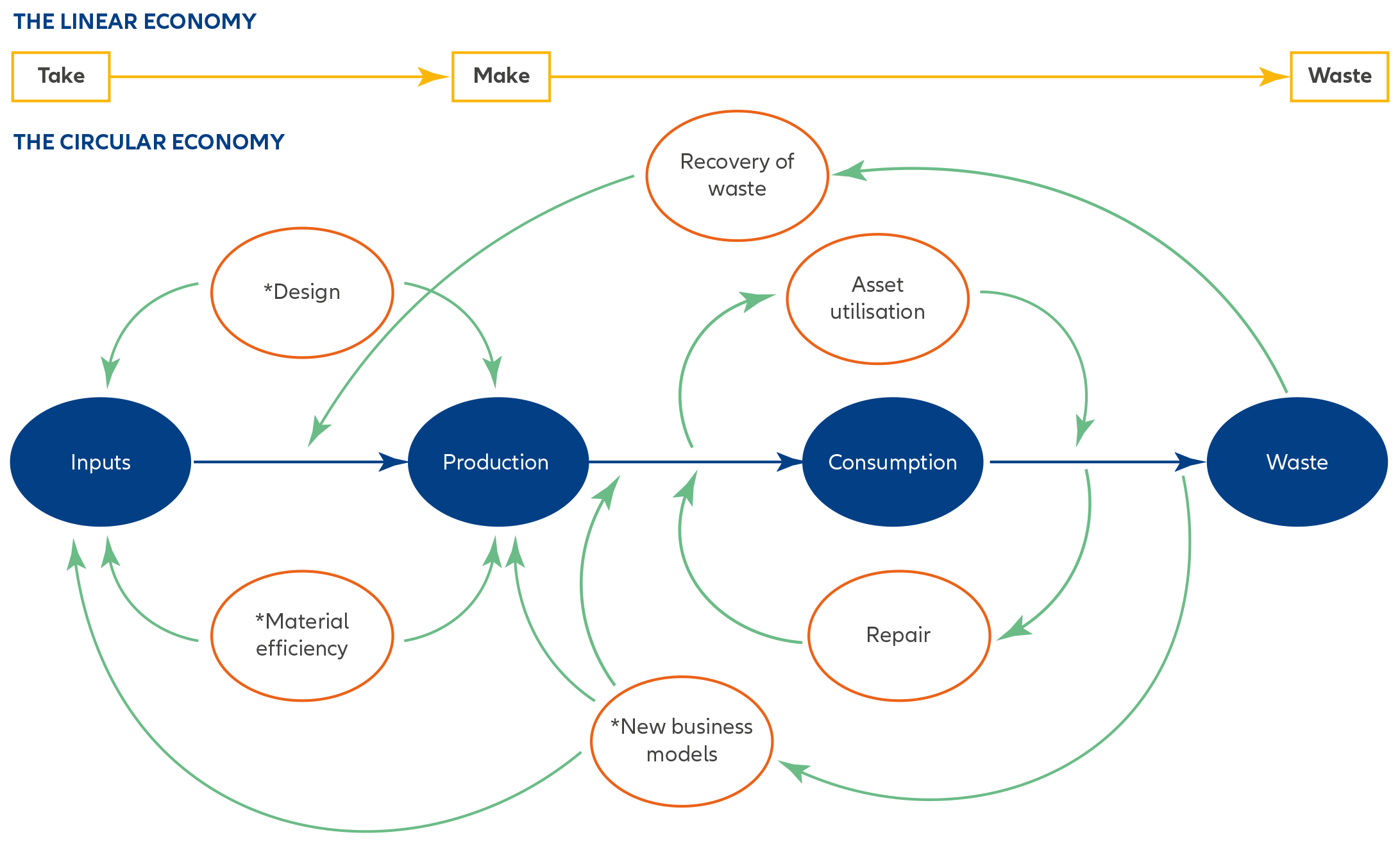
Let’s be honest. Marketing a product that’s built to last, or designed to be reborn, is a different beast entirely. You’re not just selling a thing. You’re selling a philosophy, a relationship, and frankly, a promise. The old playbook of “buy more, buy new” is not just ineffective here—it’s counterproductive.
So, how do you connect with conscious consumers and build a brand that thrives in the circular economy? It’s about shifting the narrative. Here’s the deal: your marketing strategy needs to be as sustainable as your product line. Let’s dive in.
Foundations: Building Trust Before the First Click
You can’t market what you don’t embody. This is the non-negotiable first step. Consumers today are savvy, skeptical of greenwashing, and they’ll dig deep.
Radical Transparency is Your Best Asset
Don’t just say you’re sustainable. Show it. Prove it. Get uncomfortable with how much you share. Where do materials really come from? What’s the carbon footprint of shipping? What are the actual challenges you face in closing the loop?
This means: detailed lifecycle assessments on your website, factory footage, even sharing setbacks. Patagonia’s “Footprint Chronicles” is a classic example. That level of honesty? It builds a fortress of trust.
Certifications & Partnerships: Borrowing Credibility
Sure, certifications like Cradle to Cradle, B Corp, or Fair Trade can feel like alphabet soup. But for a customer standing in an aisle (or scrolling a page), they’re quick, recognizable signals of legitimacy. Partner with respected NGOs or circular economy innovators. It tells your audience you’re not going it alone—you’re part of a verified movement.
The Core Messaging Shift: From Ownership to Experience
This is the heart of it. You’re not selling a product that ends at the checkout. You’re inviting customers into a system.
Think of it like this: you’re not just a gardener selling a shovel. You’re offering a subscription to a beautiful garden, you’ll maintain the tools, and you’ll compost the old plants. The value is ongoing.
Highlight the “Why” and the “How”
- Tell the Product’s Story (Past & Future): “This jacket is made from 37 recycled plastic bottles. And when you’re done with it, here’s the prepaid label to send it back to become… a new jacket.”
- Focus on Performance & Design: Sustainability is a feature, not the only benefit. Lead with how amazing the product is. “Incredibly durable, beautifully designed, and it heals the planet.” That order matters.
- Educate, Gently: Use blog posts or short videos to explain concepts like “circular design principles” or “post-consumer recycled content.” Make people feel smart, not guilty.
Tactical Channels & Creative Campaigns
Okay, foundations are set. Now, how do you get this message out there?
Content Marketing that Circles Back
Your content should mirror your product’s lifecycle. Create tutorials on caring for and repairing your products. Showcase customer stories of long-term use. Run a “take-back” campaign with a compelling hook—”Bring back your old device, get a new story.” Turn the return process into a celebrated event, not a hidden chore.
Leverage Community & User-Generated Content (UGC)
Circular customers are often passionate advocates. Foster that. Create a hashtag for your #ProductJourney. Feature customers repairing, upcycling, or returning items. Host workshops on mending. This builds a living, breathing community around your brand—a powerful retention tool.
Rethink Influencer Partnerships
Move beyond the one-time unboxing. Partner with influencers who genuinely live a low-waste or sustainable lifestyle for long-term ambassador programs. Have them document the entire experience: purchase, use over months, and even the return/recycling process. Authenticity here is everything.
Overcoming the Inevitable Hurdles
Let’s not pretend it’s all easy. You’ll face objections. Your marketing needs to pre-empt them.
| Objection | Marketing Response |
| “It’s too expensive.” | Frame it as an investment. Use cost-per-use calculations. “This $150 backpack lasts 10 years. That’s $15 a year for a companion that also saves waste.” Offer repair services to extend value. |
| “Is this really making a difference?” | Use tangible, aggregate metrics. “Together, our community has diverted 15,000 kg of waste from landfills.” Show the impact visually. |
| “The take-back process seems complicated.” | Simplify it in your messaging. Film a 15-second video of the return. Offer incentives. Make it feel effortless and rewarding. |
The Long Game: Retention as the Ultimate Metric
In a circular model, customer lifetime value isn’t just about repeat purchases. It’s about their active participation in the system. Your key performance indicators need to evolve.
Track things like: product return rates, engagement with repair content, and longevity of product use. Celebrate a customer’s 5-year anniversary with a product, not just their 5th purchase. Offer loyalty points for returning packaging or participating in a resale marketplace. This aligns your business goals with your ecological ones.
Ending on a thought. Marketing for the circular economy isn’t a clever tactic. It’s a fundamental re-imagining of what a brand can be—a steward, not just a seller. It asks not “How many units did we move?” but “How many cycles did we enable?”
That shift, well, it changes everything. It builds a brand that doesn’t just exist in the market, but one that endures with it.