

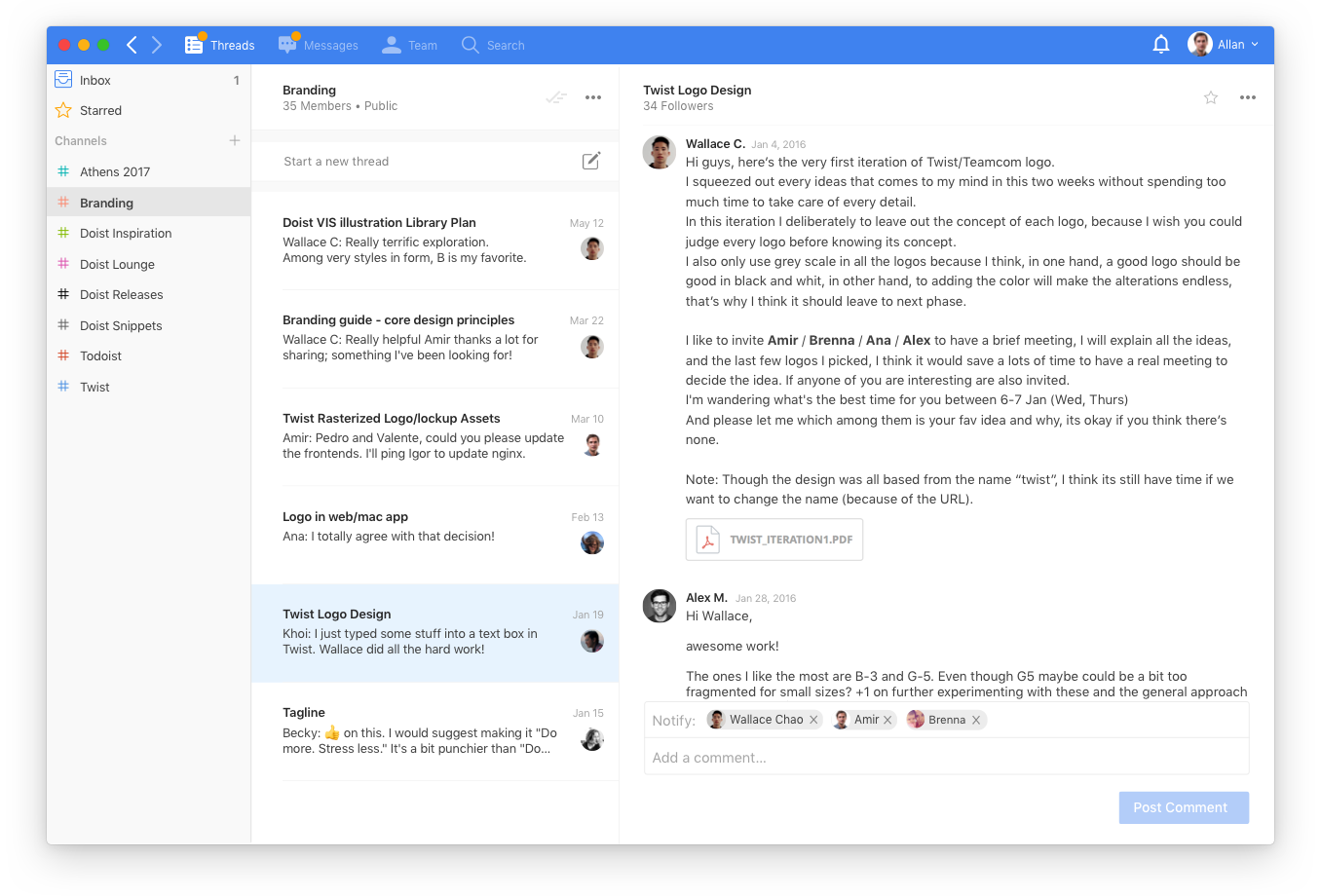
Let’s be honest. The “hybrid work” model we all scrambled to adopt often feels like a messy compromise. It’s a weird mix of in-office rituals and remote video calls, leaving everyone—remote and in-office—feeling a bit out of sync. The meeting-heavy schedule designed for a co-located team becomes a tyranny for those in different time zones.
Here’s the deal: there’s a better way. It’s called the asynchronous-first hybrid team. This isn’t just about letting people work from home sometimes. It’s a fundamental rethinking of how work gets done, prioritizing deep focus and written communication over real-time presence. It accepts that your team’s collective brainpower isn’t switched on from 9 to 5 in one place.
What Does “Asynchronous-First” Actually Mean?
Think of it like this. Synchronous work is a live concert—everyone has to be there at the same time to experience it. Asynchronous work is like recording a studio album; each musician lays down their track when they’re at their creative best, and it’s all mixed together into something brilliant.
An asynchronous-first principle means the default mode of working is not in real-time. Communication and collaboration happen through tools that don’t require an immediate response—think project management boards, detailed docs, and threaded comments. Real-time meetings (syncs) become a deliberate choice, not a default calendar filler. You schedule them only when they’re truly the best tool for the job, like for complex brainstorming or sensitive feedback.
The Core Pillars of an Async-First Hybrid Culture
1. Documentation as a Single Source of Truth
If information lives in a video call or a quick desk chat, your remote team members are in the dark. An async-first team lives and breathes in its documentation. Project briefs, decisions, processes, even casual team updates—they all go into a shared, searchable system (like Notion, Confluence, or Coda).
This creates a “source of truth” anyone can access at 2 PM or 2 AM. It eliminates the “hey, what did we decide?” follow-ups and, honestly, empowers everyone to find answers independently.
2. Communication with Clear Intent
You know that sinking feeling of an ambiguous Slack message that just says “Hi”? Async communication demands clarity and context from the start. It’s about writing complete thoughts.
Teams often adopt simple protocols:
- Subject lines that state the need: “[Feedback Request] Q3 Blog Outline” or “[Decision Needed] Vendor shortlist.”
- Clear deadlines & priorities: Is this urgent, or is it for tomorrow? Say so.
- Channel discipline: What goes in email vs. project card vs. instant message? Define it.
This reduces anxiety and constant context-switching. It gives people the gift of uninterrupted focus.
3. Outcomes Over Activity
Managing an async-first hybrid team means you can’t manage by sight. You can’t see who’s at their desk. So you have to shift to managing by outcomes. What is this person or team tasked with delivering? How will we measure success?
This requires crystal-clear goal setting (OKRs are great for this) and trust. You’re evaluating the work, not the online status indicator. It’s liberating, but it demands maturity from both leaders and team members.
Practical Tools and Rituals to Get Started
Okay, so how do you actually build this? It’s part mindset, part toolkit. Here are some concrete steps.
Tool Stack Essentials
| Tool Type | Purpose | Examples |
| Project & Knowledge Hub | Central home for docs, projects, processes. | Notion, Coda, Confluence |
| Async Communication | Threaded, topic-based discussions. | Slack (with discipline), Twist, Discourse |
| Task Management | Visualizing work and ownership. | Asana, Jira, Trello, ClickUp |
| Async Video | Sharing updates without a meeting. | Loom, Vimeo Record, Yac |
Replacing Common Sync Meetings
- Daily Standups: Become a daily update in a project channel. Each person posts: What I did yesterday, what I’m doing today, blockers. Team reads it on their own time.
- Project Brainstorming: Start with an async idea dump in a shared doc. Let people contribute individually. Then, if needed, a shorter sync meeting to debate the top contenders.
- Status Meetings: Eliminated entirely by a well-maintained project dashboard that everyone updates.
The Human Challenges (And How to Tackle Them)
It’s not all smooth sailing. An async-first model surfaces real human challenges. Loneliness, misunderstanding, and a lack of spontaneous connection can creep in. You have to be intentional about the human layer.
First, over-communicate context. In an office, you absorb context by osmosis—overhearing chats, seeing body language. Remotely, you have to write it down. Explain the “why” behind tasks even more than usual.
Second, create deliberate sync moments for bonding. These aren’t work meetings. They’re virtual coffee chats, dedicated “watercooler” channels for non-work stuff, or quarterly in-person retreats. The goal is connection, not productivity.
Finally, you have to respect boundaries. An async culture can accidentally become an “always-on” culture if people feel pressure to respond instantly across time zones. Leaders must model and enforce healthy work-life boundaries. Send messages with scheduled sends, or be explicit: “No need to reply until tomorrow.”
Is an Asynchronous-First Model Right for Your Team?
Well, it might not be a perfect fit for every single function—emergency response teams, for instance. But for knowledge work? It’s increasingly essential. It’s the key to unlocking true global talent, accommodating diverse lives, and fostering deep work.
The transition requires effort. You’ll face resistance from those who equate visibility with productivity. Documentation feels slow at first. But the payoff is a more resilient, inclusive, and frankly, more thoughtful team. Work becomes less about performing activity and more about creating value—on a schedule that serves both the business and the human.
In the end, building an asynchronous-first hybrid team is an act of trust and design. It’s trusting your people to do their best work when they’re at their best. And it’s designing a system—the rituals, the tools, the words—that makes that possible for everyone, wherever they are. The future of work isn’t about where we sit; it’s about how we think, connect, and build, beyond the constraints of the clock.