

Let’s be honest. Sustainability can feel like a buzzword bingo game these days. But for brands that are genuinely doing the work—closing loops, designing for disassembly, rethinking waste—there’s a deeper story to tell. It’s not just about being “green.” It’s about building a different kind of relationship with your customer.
That’s where the circular economy brand narrative comes in. It’s your chance to move beyond a simple product story and invite customers into a system. A system where their loyalty isn’t just about repeat purchases, but about participation. Here’s the deal: when you frame your brand around circular principles, you’re not just selling a thing. You’re offering a role in a meaningful cycle.
Why a Narrative, Not Just a Marketing Claim?
Anyone can slap a “recyclable” label on a box. A narrative, though? That’s the connective tissue. It explains the why and the how behind your circular model. Think of it like this: a claim is a snapshot; a narrative is the entire film. It shows the journey of materials, the intent behind the design, and the future life of the product.
This matters because modern customers, well, they’re skeptical. They’ve seen greenwashing. They can spot a hollow claim from a mile away. A robust, transparent narrative builds trust. It turns a transaction into a handshake agreement. “We’ve built this system,” you’re saying. “And we need you to help us make it work.” That’s powerful.
The Core Pillars of Your Circular Story
To build this narrative, you need to anchor it in tangible pillars. These aren’t just features; they’re plot points in your brand’s ongoing story.
- Design with Intention: Talk about the “why” of your design. Is it modular for easy repair? Made from a single material for simpler recycling? This isn’t just engineering—it’s a philosophy. Patagonia’s “Don’t Buy This Jacket” campaign was a masterclass in this, reframing consumption entirely.
- Transparency of Journey: Where do materials come from? Where do they go? Traceability is gold. Use tech like blockchain or simple QR codes to show the lifecycle. It’s like giving your product a passport, and honestly, customers find that fascinating.
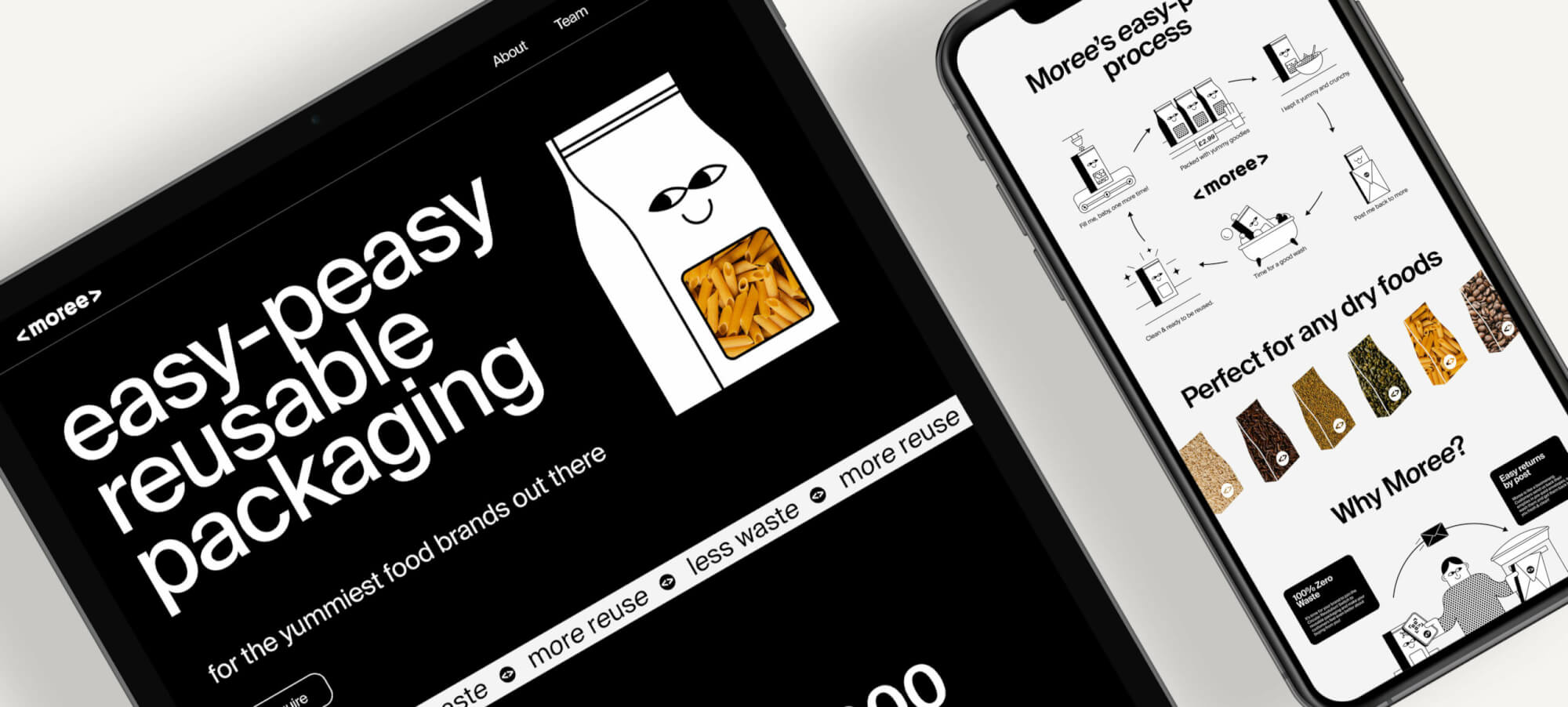
- The Take-Back Promise: This is the narrative engine. A take-back or refurbishment program isn’t a logistics footnote—it’s a cliffhanger! “What happens when you return it?” Show the refurbishment center, introduce the technicians, celebrate products getting a second life. It creates a beautiful, closed-loop suspense.
From Narrative to Unbreakable Loyalty
Okay, so you’ve got the story. How does that translate to the kind of loyalty that makes customers advocates, even defenders, of your brand? It’s all about shifting the value proposition. In a linear model, value ends at the checkout. In your circular model, value is created throughout the relationship.
You’re essentially building a loyalty loop that mirrors your product loop. Here’s how it works:
| Linear Model Loyalty | Circular Model Loyalty |
| Driven by next purchase discount. | Driven by participation in the system (e.g., return credits). |
| Focuses on “new” and “latest.” | Celebrates “renewed” and “long-lasting.” |
| Customer is a passive consumer. | Customer is an active partner in circularity. |
| Relationship is transactional. | Relationship is, dare we say, communal. |
See the difference? When a customer returns a worn pair of jeans for recycling and gets a discount on a refurbished pair, they’re not just shopping. They’re participating. That action builds emotional equity that a simple “10% off your next order” email never could.
Friction is the Enemy (And How to Beat It)
Let’s not sugarcoat it. Asking customers to change their behavior—to repair, return, or resell—adds friction. Your job is to make that process stupidly easy. More than that, make it rewarding.
- Seamless Logistics: Pre-paid return labels, drop-off partnerships, even home pick-up services. Remove every excuse.
- Tangible Incentives: Store credit, repair vouchers, loyalty points that actually feel valuable. Frame it as a “thank you,” not a transaction.
- Celebrate the Action: Send a thank-you note showing the CO2 saved by their return. Feature customer stories in your “renewed” gallery. Make them feel like a hero in your story—because, in fact, they are.
Building the Narrative Into Everything
This story can’t live only on your “Sustainability” page (buried in the footer, you know?). It must be the subtext of every touchpoint.
Product Descriptions: Don’t just list “organic cotton.” Explain how this cotton is part of a take-back program to become new yarn. Describe the durability of a stitch, not just its aesthetic.
Customer Service: Train your team to be circular ambassadors. They should know how to guide someone through a repair, a return, or a resale on a branded recommerce platform. Support becomes a narrative extension.
Content & Community: Share behind-the-scenes footage of your repair workshop. Interview the designers about their circular design challenges. Host mending tutorials. Build a community around care, not just consumption.
The goal is for every interaction to whisper—or sometimes shout—the same core idea: “We built this with thought, and we’re in this together for the long haul.”
The Authenticity Trap (And How to Avoid It)
Look, consumers are savvy. If your narrative feels bolted-on or contradicts your actions, it’ll backfire. Spectacularly. Your circular economy brand narrative must be rooted in real, operational truth. Start small if you have to. Maybe it’s a single take-back program for your best-selling item. Narrate that journey with brutal honesty—the successes and the stumbles.
Transparency about challenges builds more trust than perfection ever could. Did a batch of returned products prove harder to refurbish than expected? Talk about it, and what you’re learning. It humanizes your brand. It shows this is a real journey, not a marketing checkbox.
In the end, building a circular economy brand narrative is about forging a new kind of pact. You’re asking for more than a sale; you’re asking for partnership. And in return, you offer something beyond a product—you offer meaning, connection, and a tangible role in a story that’s bigger than both of you. That’s the ultimate foundation for loyalty. Not a points program, but a shared purpose.