

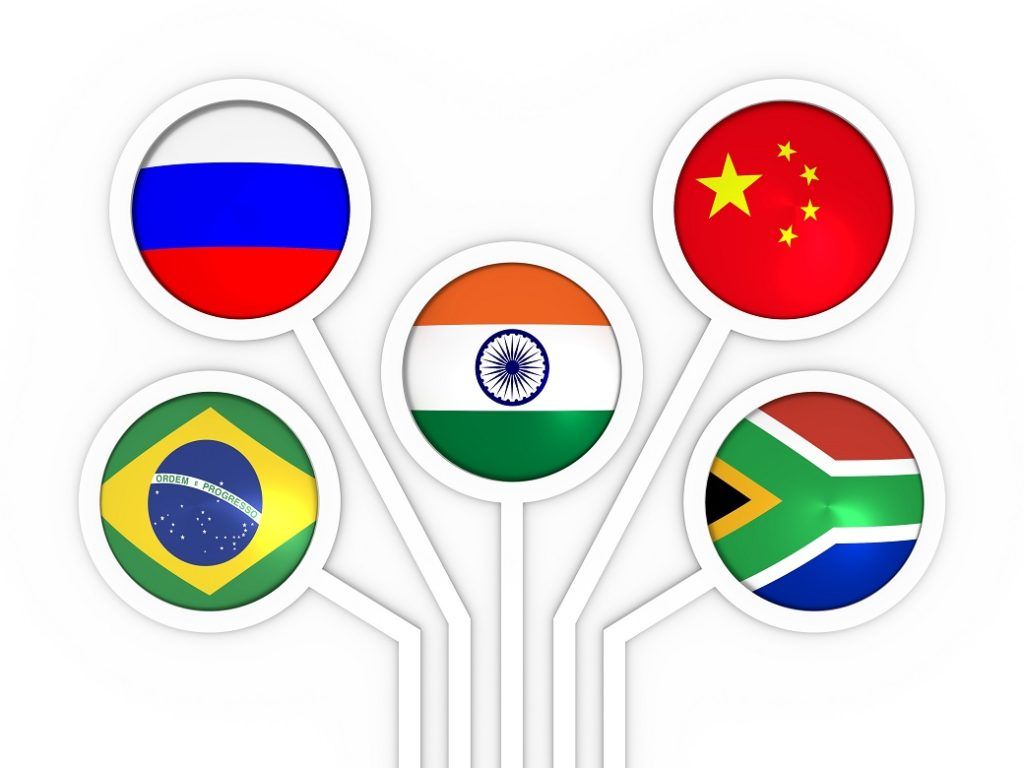
Forget the old map. The economic world isn’t flat, but it’s certainly shifting. The next great wave of consumer growth isn’t coming from New York or London—it’s rising from Jakarta, Nairobi, Mexico City, and Mumbai. We’re talking about the global “middle class” in emerging economies, a massive, complex, and incredibly diverse group of consumers.
Honestly, that term “middle class” can be misleading. It’s not about a specific salary. It’s about a state of aspiration. It’s the family in Vietnam trading up from a basic motorbike to their first car. It’s the young professional in Nigeria seeking a smartphone that balances prestige with practicality. Cracking this market isn’t about dumping last season’s Western models here at a discount. It’s a whole new playbook.
Who Are They, Really? Understanding the Aspirational Consumer
First things first. You can’t develop or market anything if you see this as one monolithic block. The “emerging middle class” is a spectrum. On one end, you have the new entrants—fragile, price-sensitive, but fiercely ambitious. On the other, the established urban professionals with global tastes and higher disposable income. The connective thread? Value perception is king, but it’s a nuanced crown.
Their definition of value blends cost, durability, functionality, and social signaling. A product isn’t just a tool; it’s a badge of progress. They’re digitally native, often mobile-first, and research extensively before buying. Yet, they might live in areas with inconsistent electricity or logistics. That’s the central tension—and opportunity.
Core Principles for Product Development
So, how do you build for them? It starts with a mindset of “frugal innovation”—not making things cheap, but making them brilliantly appropriate.
- Robustness is a Feature: Products must withstand heat, dust, humidity, and volatile power supplies. A phone with a removable battery and a fantastic cooling system might outsell the slimmest model that overheats.
- Multi-Functionality Wins: Space and budget are often limited. A kitchen appliance that blends, grinds, and whisks is more valuable than three single-use gadgets. Think of it as the Swiss Army knife approach.
- Leapfrog Technology: Many consumers are skipping legacy tech entirely. Think mobile banking over traditional branches, or direct-to-consumer streaming over cable TV. There’s less legacy baggage, but higher expectations for modernity.
- Right-Sizing and Packaging: Large economy sizes? Not always. Sachet marketing for shampoos or single-serve coffee packets pioneered this. Offer smaller, affordable entry points that reduce risk for the first-time buyer.
The Marketing Maze: It’s Hyper-Local and Hyper-Social
Okay, you’ve built a great, context-perfect product. Now, you have to talk about it. And here’s the deal: your global campaign will likely fall flat. Marketing to the middle class in emerging economies demands a granular, community-focused approach.
Trust isn’t built through glossy ads; it’s built through validation. Social proof is everything. User-generated content, local influencer partnerships (think nano and micro-influencers, not just celebrities), and WhatsApp group referrals hold immense power. The distribution channel itself can be a marketing tool—local mom-and-pop shops (kirana stores, sari-sari stores) provide trusted recommendations.
| Marketing Pitfall | Adapted Strategy |
| One global message | Hyper-local storytelling that reflects specific aspirations & daily life. |
| Ignoring cultural nuance | Deep localization—colors, symbols, festivals, language slang. |
| Over-reliance on credit | Flexible payment options: layaway, mobile money, pay-in-installments. |
| Assuming stable internet | Low-bandwidth-friendly content, USSD codes, and radio integration. |
Payment and Logistics: The Unsexy Backbone
You know, you can have the best product and campaign, but if you can’t take their money or get the item to their door, it’s all theoretical. This is where many grand plans stumble.
Cash is still dominant, but mobile money (like M-Pesa in Kenya) is huge. Integrating diverse payment methods is non-negotiable. And logistics? “Last-mile delivery” in places with informal addresses requires local partnerships and serious ingenuity. Sometimes, the product’s packaging needs to double as its shipping container. Investing in this infrastructure isn’t an operational cost; it’s a core competitive advantage for reaching middle-class consumers in these markets.
A Tale of Two Trends: Sustainability and Digital Everything
Two powerful currents are shaping this space right now. First, a growing awareness of sustainability—but again, with a local flavor. It’s not just about “saving the planet” in an abstract sense. It’s about products that are durable (reducing waste), energy-efficient (saving money), and seen as responsible. It’s a practical sustainability that aligns perfectly with the value mindset.
Second, the total blurring of digital and physical. The customer journey might start with a TikTok video, move to a WhatsApp chat with a seller for questions, get validated by a YouTube review, and end with a cash-on-delivery purchase. Your marketing and sales funnel needs to be omnichannel in a way that would make many Western retailers’ heads spin.
It’s a Marathon, Not a Sprint
Let’s be clear. This isn’t a quick win. Success here requires patience, local partnership, and a willingness to listen and adapt. You have to decentralize decision-making. Your regional teams need the autonomy to pivot.
Avoid the classic mistake of viewing these markets as merely “the future.” They are the vibrant, demanding, opportunity-rich present. The brands that win are the ones that show up not as conquerors, but as collaborators. They build products that solve real, contextual problems. They market with respect, not condescension.
In the end, developing for the global middle class is an exercise in empathy on a grand scale. It’s about seeing the world through their eyes—their constraints, their hopes, their clever workarounds. And then, building not just for them, but with them. That’s where the real connection—and the real growth—happens.