

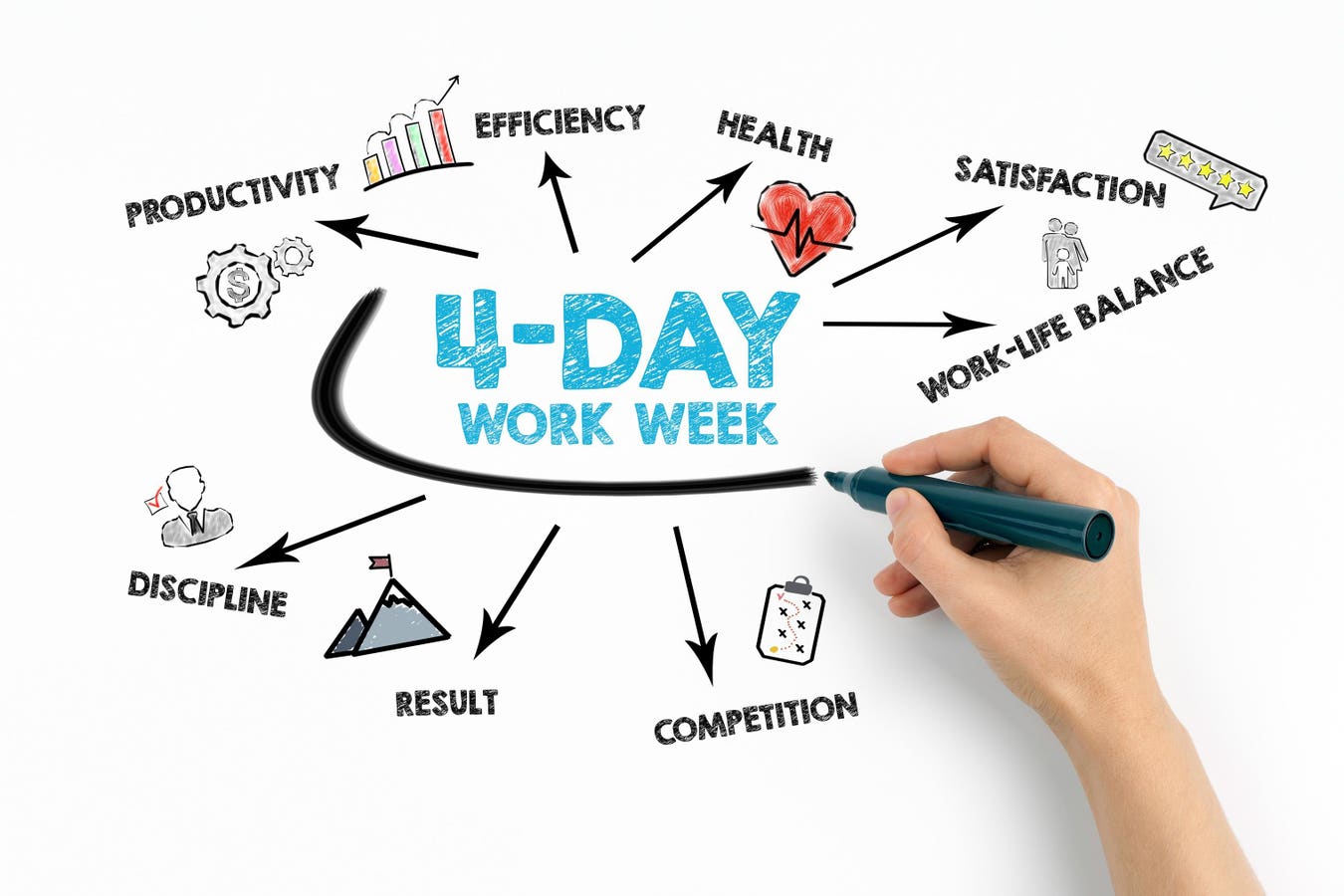
Let’s be honest. The five-day workweek feels like a relic. A holdover from a different century. And the buzz around the four-day workweek isn’t just hype—it’s a genuine, seismic shift in how we think about productivity and well-being. But here’s the deal: jumping from a dream to a sustainable reality is messy. It requires more than just declaring Friday a day off. It demands a thoughtful transition and, crucially, a way to measure what actually changes.
Laying the Groundwork: It’s a Culture Shift, Not Just a Calendar Edit
Think of this transition less like flipping a switch and more like cultivating a garden. You need the right soil, the right seeds, and a lot of consistent care. You can’t just mandate a four-day week and hope for the best. The foundation is everything.
Start with the “Why” and Listen
Before you touch a single schedule, communicate. Why is the company exploring this? Is it for employee burnout? For attracting talent? To boost innovation? Get everyone on the same page. And then—this is critical—listen to the team’s fears and ideas. The folks in the trenches know where the time sinks and process bottlenecks are. Their input is gold.
Redesign Work, Don’t Just Compress It
This is the core challenge. The goal is 100% of the pay for 80% of the time, while maintaining 100% of the productivity. Sounds impossible, right? Well, it forces a ruthless prioritization most companies never do. You have to audit meetings. Are they all necessary? Could that update be a Slack message? It’s about eliminating the “theatre of work” and focusing on deep, meaningful output.
You’ll likely need to embrace new norms. “Focus blocks” on calendars. Asynchronous communication becoming the default for non-urgent matters. It’s a shift from “hours at a desk” to “objectives achieved.”
The Pilot Phase: Your Living Laboratory
Don’t go all-in from day one. Run a structured pilot—three to six months is a good sweet spot. This isn’t a permanent change yet; it’s an experiment. And for any experiment, you need a hypothesis and metrics. Which brings us to the most important part…
How Do You Actually Measure the Impact?
This is where many companies fumble. They measure the wrong things. You can’t just look at weekly output in a vacuum. The impact of a shortened workweek is multifaceted, touching well-being, business performance, and company culture. You need a mix of quantitative and qualitative data.
The Quantitative: The Hard Numbers
Track these before, during, and after the pilot.
| Metric Category | What to Track | Why It Matters |
| Business Output | Revenue, project completion rates, customer satisfaction (CSAT/NPS), service-level agreements (SLAs). | Does the core business suffer, stay stable, or—as many find—improve? |
| Operational Health | Email/chat volume after hours, meeting hours per week, PTO usage patterns. | Indicates real changes in work culture and burnout prevention. |
| Talent Metrics | Recruitment application rates, employee turnover, internal promotion rates. | Measures the policy’s effect on attraction and retention. |
The Qualitative: The Human Story
The numbers only tell half the tale. The other half is feeling. You have to listen.
- Regular Pulse Surveys: Short, anonymous surveys asking about stress, focus, work-life balance, and perceived productivity. Use a scale, but always leave an open comment box.
- Structured Focus Groups: Bring small groups together to discuss the experience in depth. What’s working? What’s frustrating? You’ll uncover nuances surveys miss.
- Manager Feedback: Managers are on the front lines. Their observations on team dynamics, collaboration, and morale are invaluable.
Look for the stories. The parent who attended their kid’s school play. The employee who finally had the mental space for a breakthrough idea. The team that streamlined a clunky process because they had to. This is the qualitative data that gives the numbers soul.
Navigating the Inevitable Bumps
It won’t be perfect. Some roles face unique challenges—client coverage, manufacturing lines, retail hours. The solution isn’t abandoning the model, but adapting it. Maybe it’s staggered schedules, maybe it’s a 32-hour week spread over five days for some teams. Flexibility within the framework is key.
And there will be a transition period where it feels… harder. Old habits die hard. People might initially work longer on their four days, defeating the purpose. Leadership must model the behavior—truly disconnecting on the fifth day—and continuously reinforce that the goal is sustainable productivity, not a frantic sprint.
The Decision Point: Making It Permanent
At the end of the pilot, gather all your data—the hard metrics and the human stories. Weigh them together. Did business output hold or grow? Did well-being metrics soar? Did the team overwhelmingly want to continue?
If yes, then commit. Make it policy. But frame it as a living, evolving practice, not a finished project. The work of refining communication and processes continues. If the results are mixed, analyze why. Was it the implementation? Certain departments? Use it as a learning experience to design a better version.
Honestly, the four-day week is less about time and more about trust. It’s a belief that when you give people autonomy, purpose, and their lives back, they return the favor with focus and commitment you simply can’t mandate. Measuring that ROI isn’t just about spreadsheets; it’s about watching a culture transform from counting hours to making hours count.